
19 June 2026
Rome hosts the final conference of the European LIFE SUPERHERO project
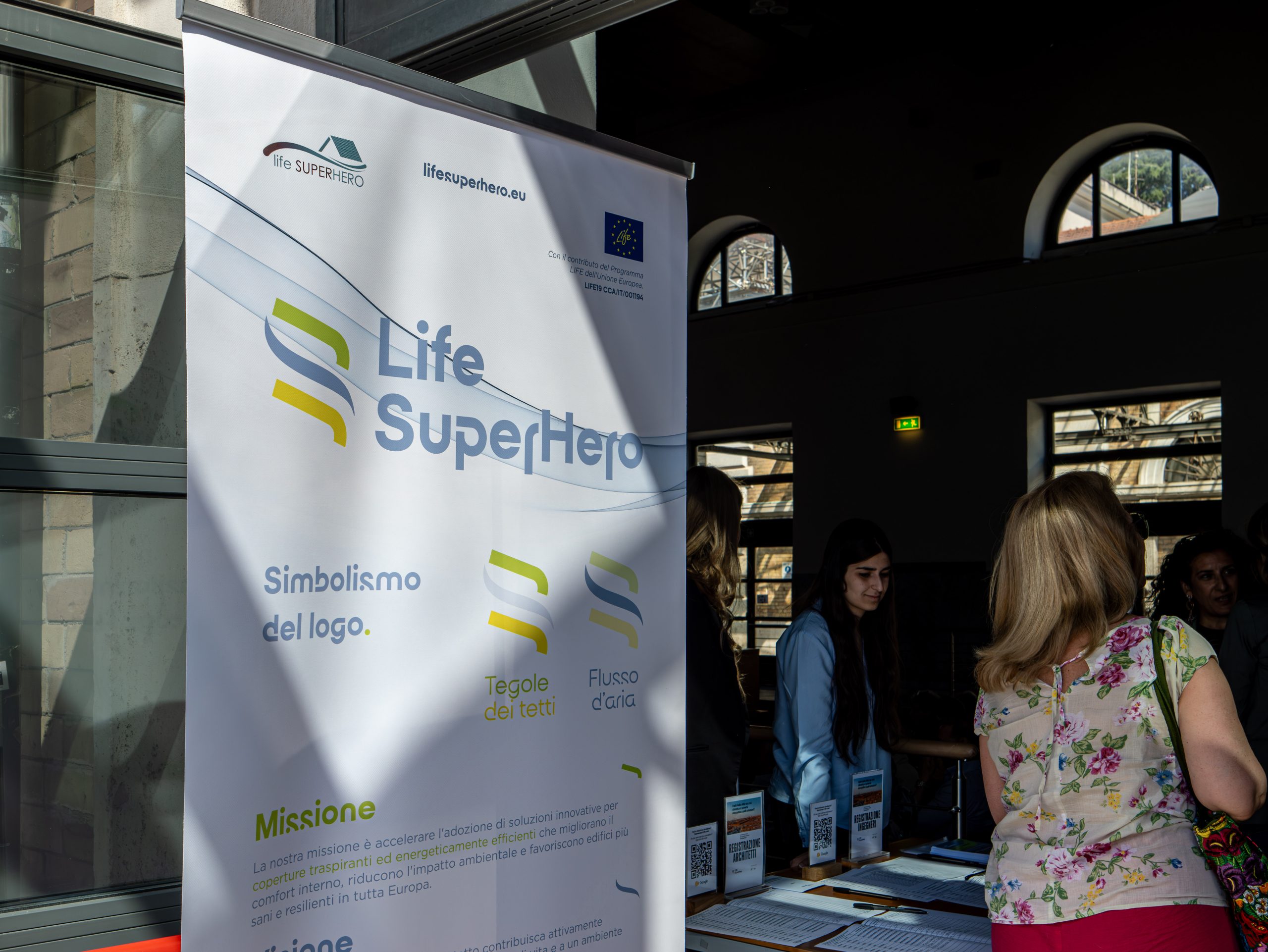
Rome, May 25, 2026 – When discussing ecological transition and climate adaptation, attention often turns to façades, systems, or public spaces. The final conference of the European project LIFE SUPERHERO – Sustainability and Performances for HEROTILE-based energy efficient roofs instead brought the focus back to a building component that is both widespread and strategic: the roof.
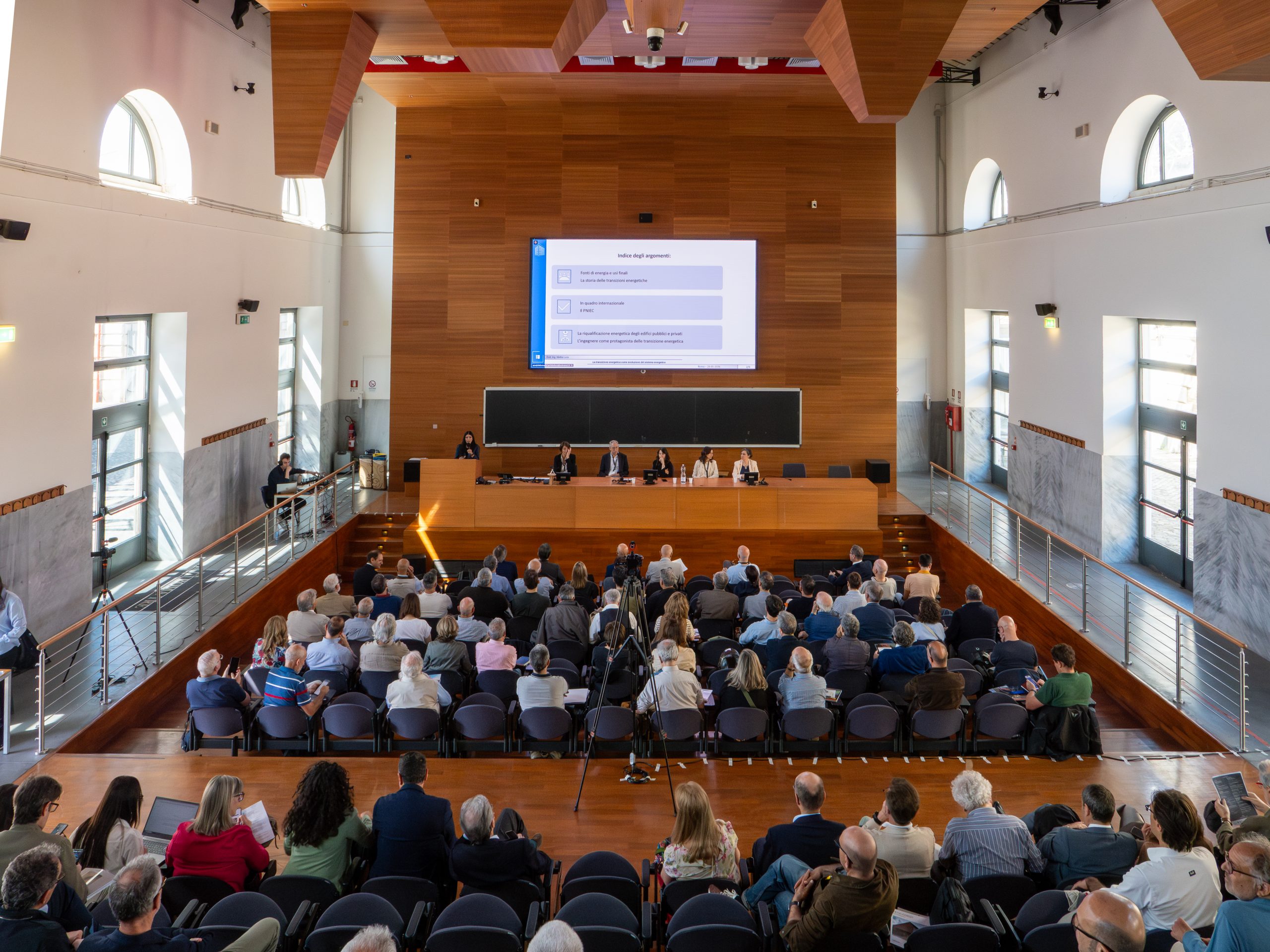
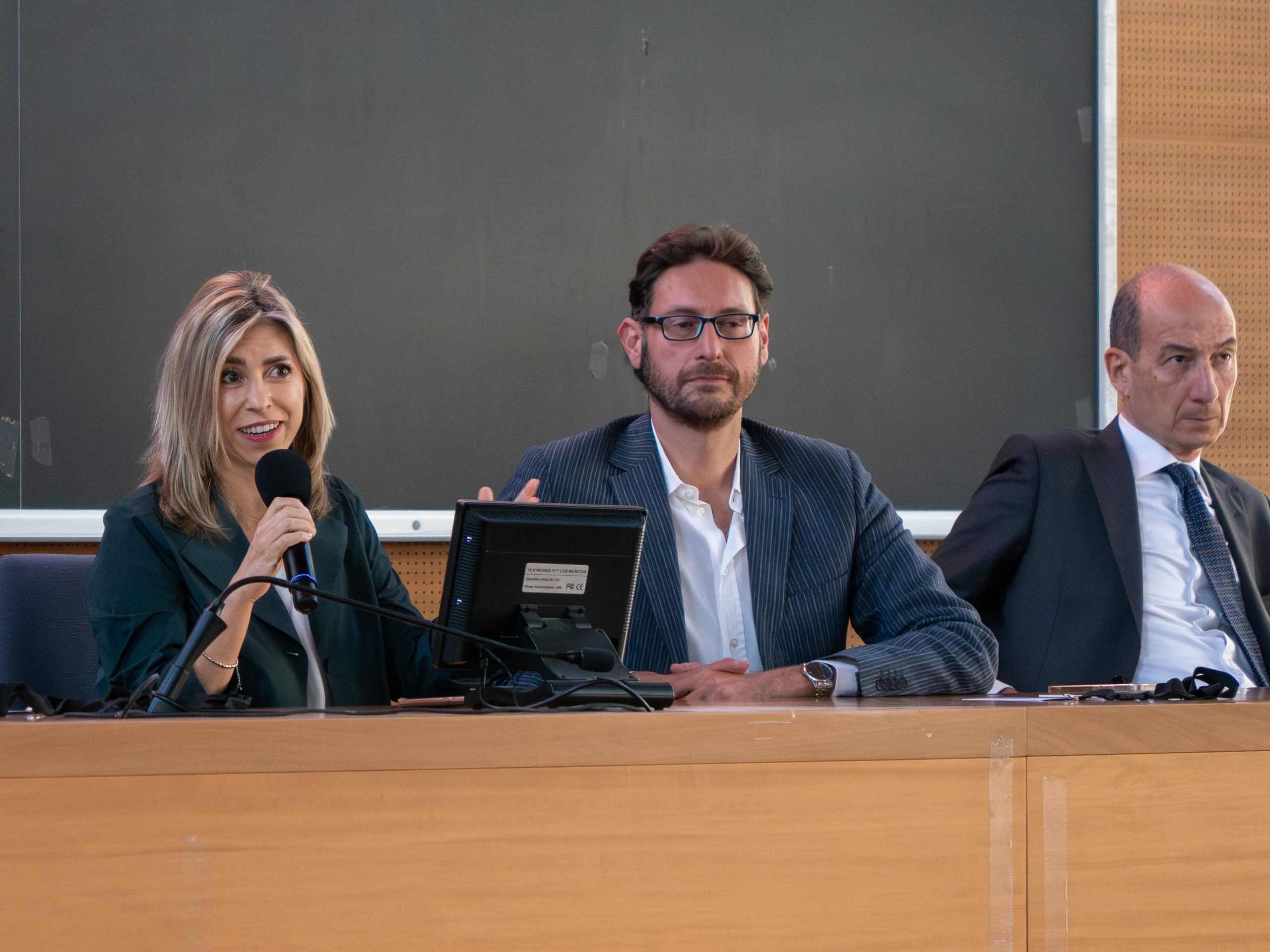
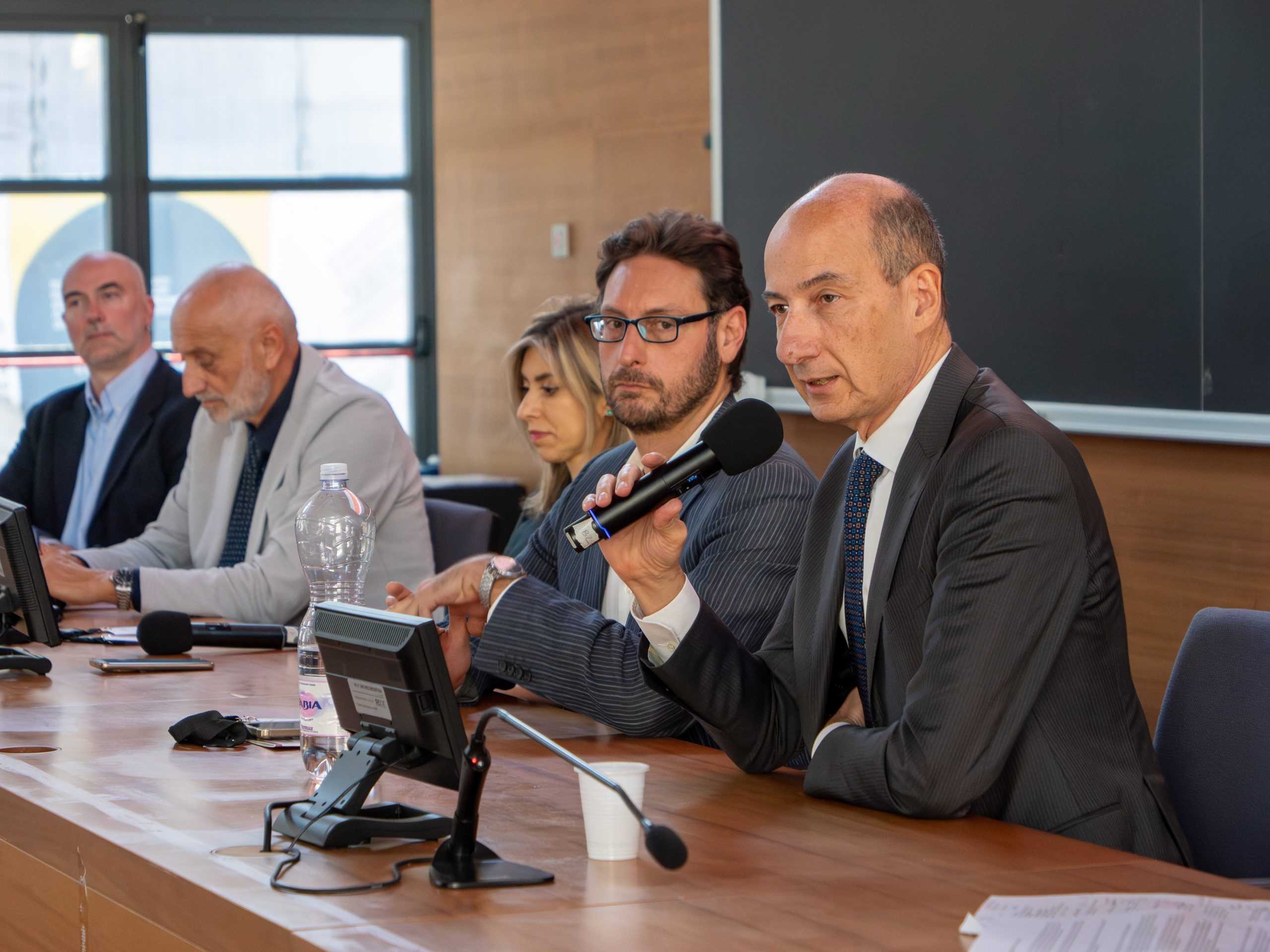
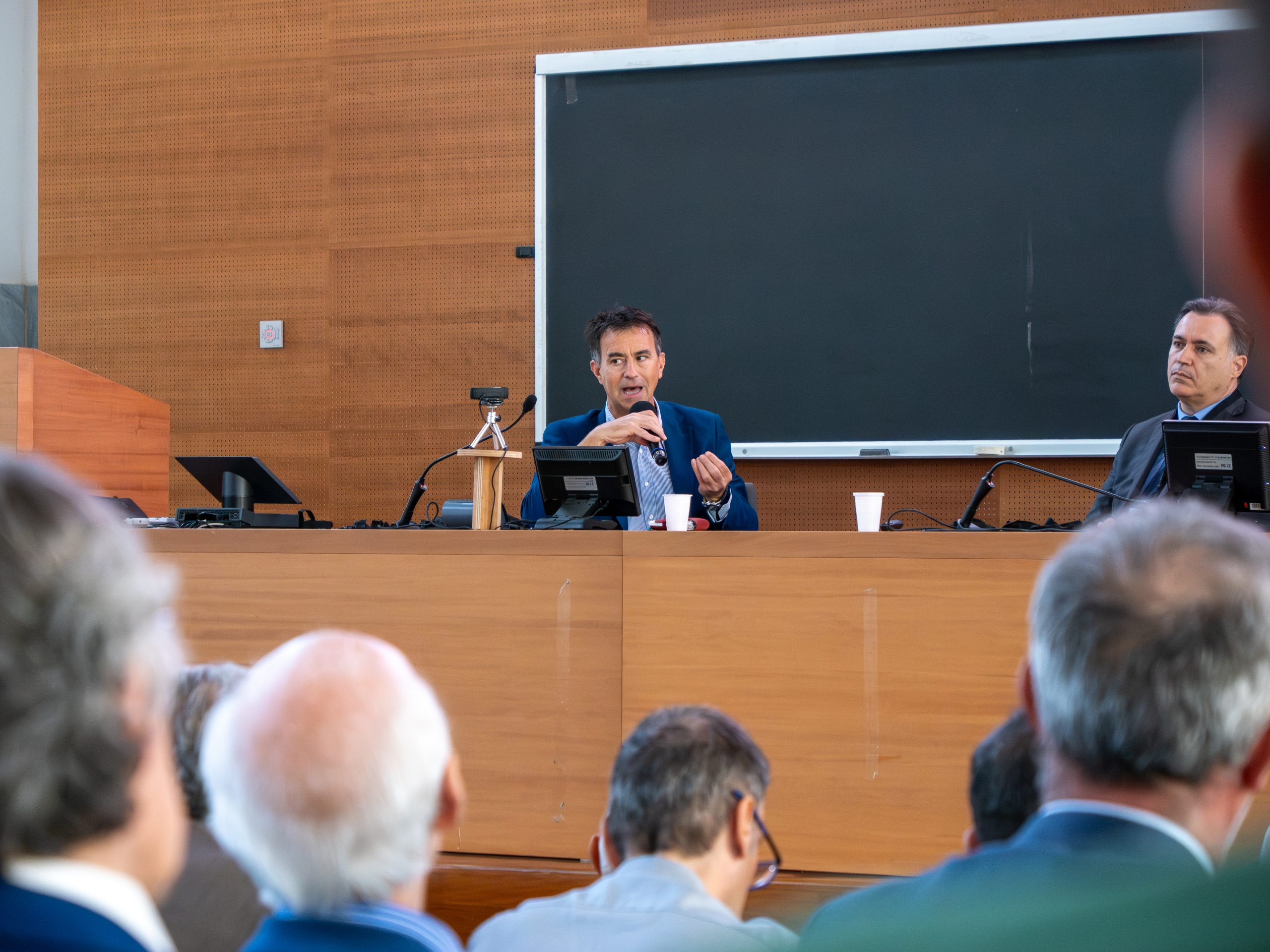
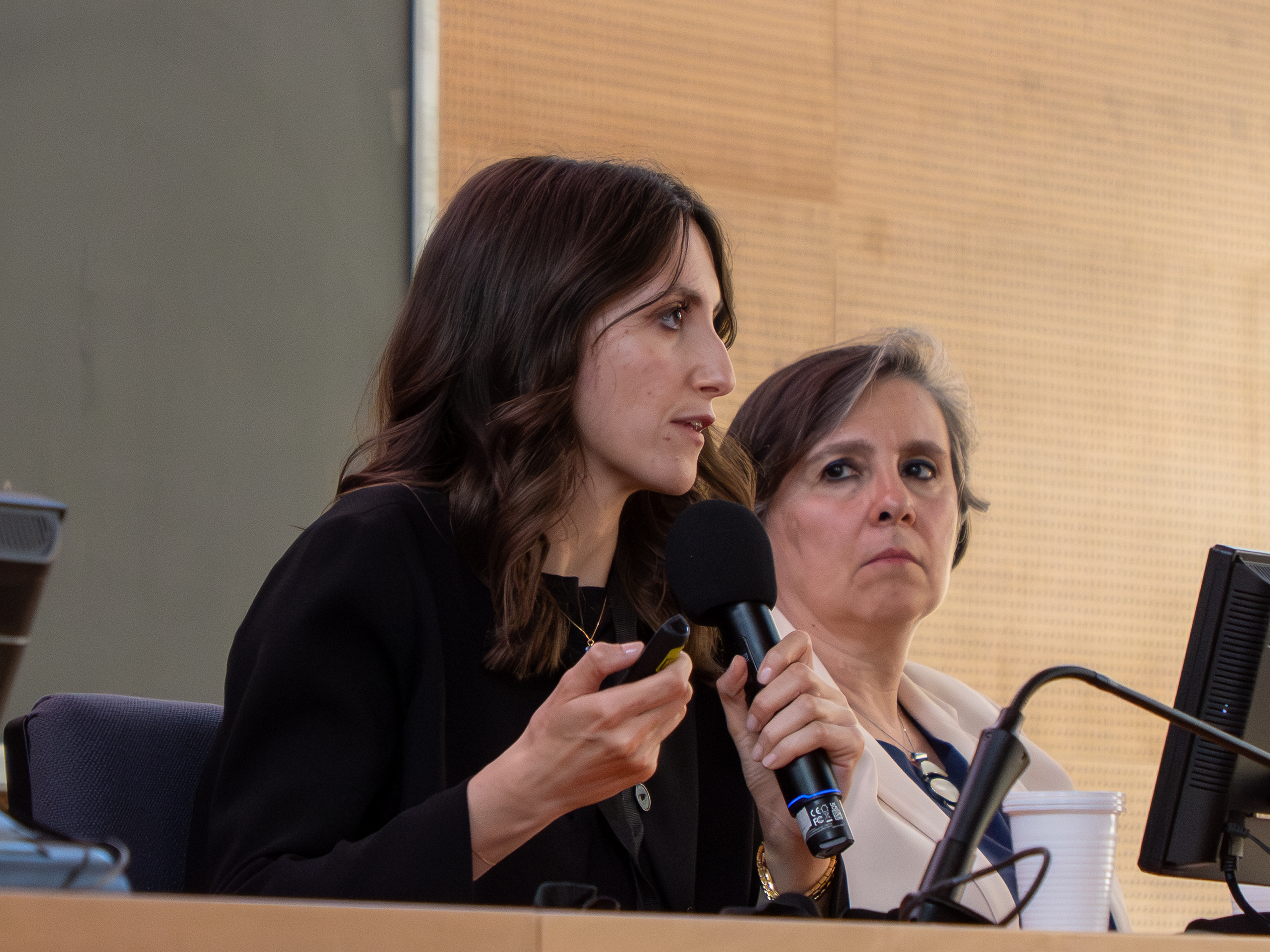
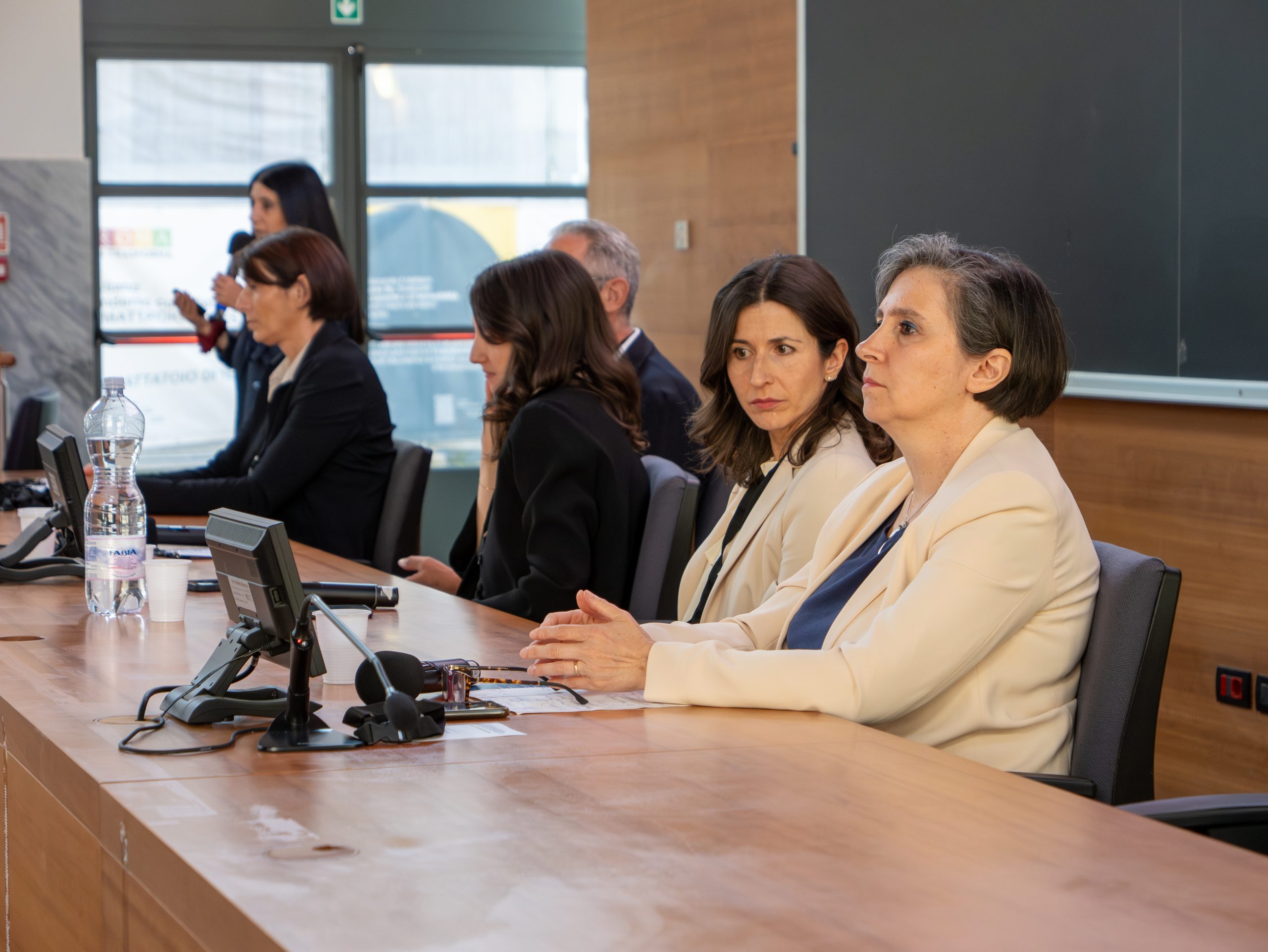
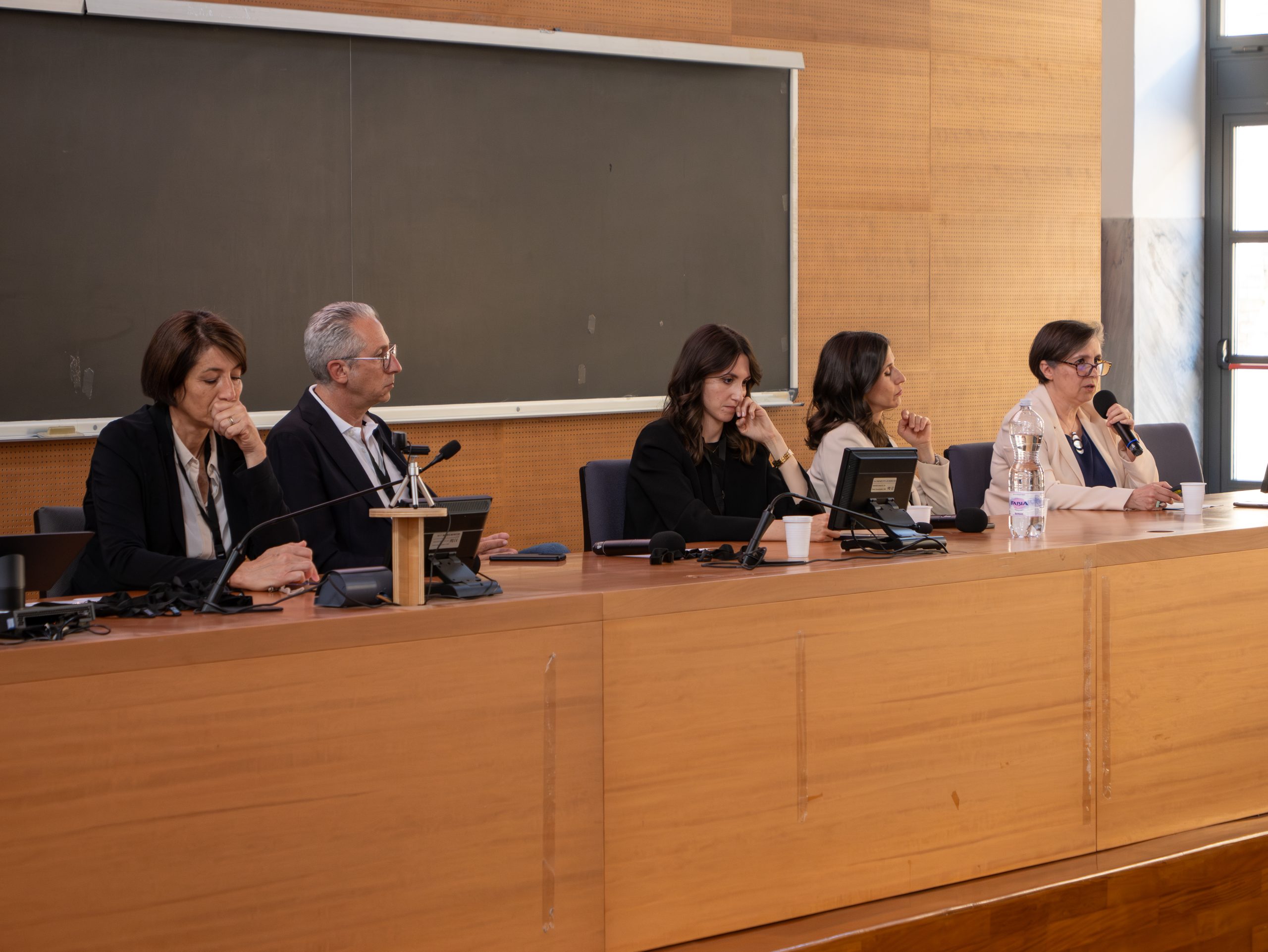
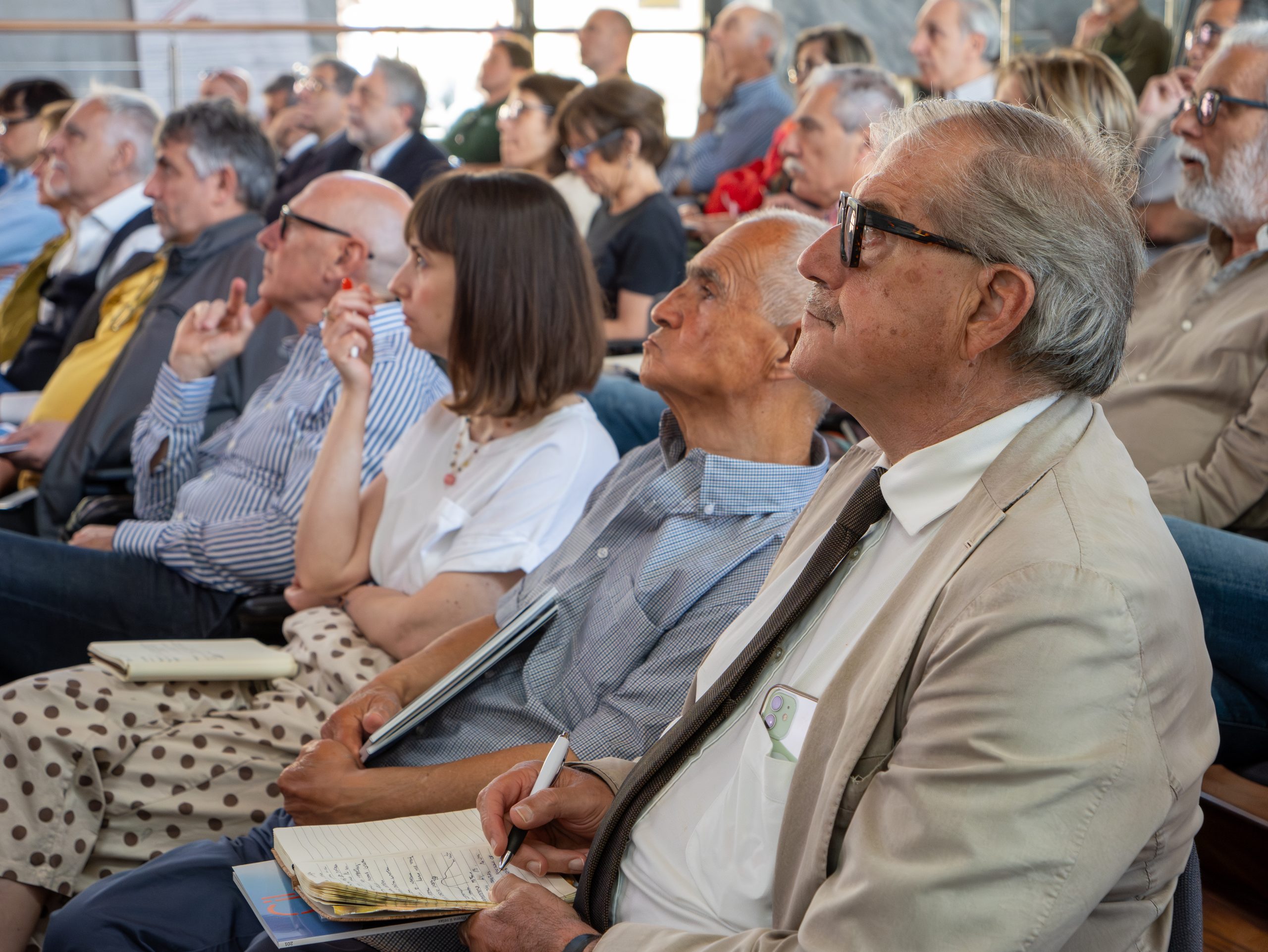
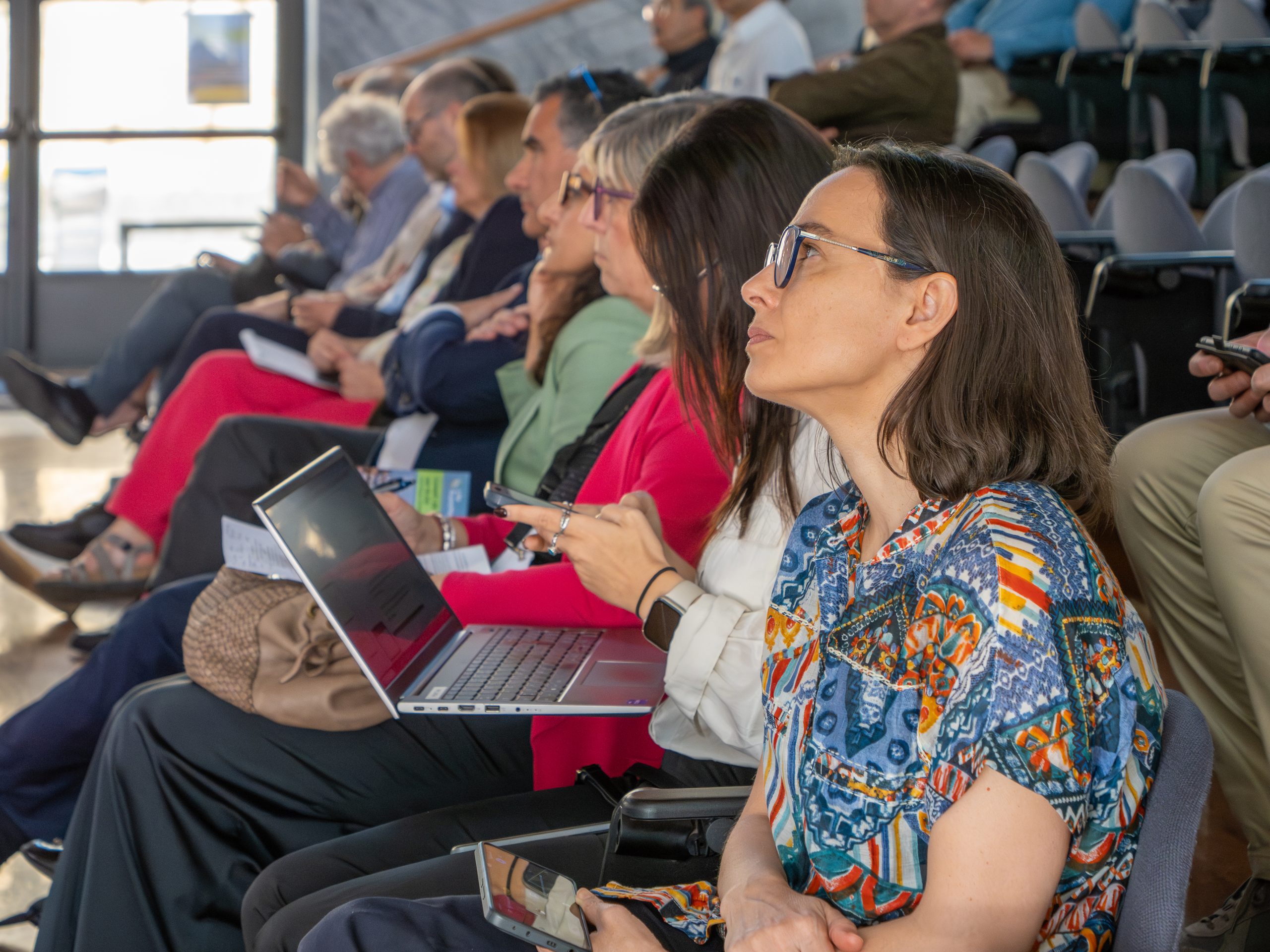
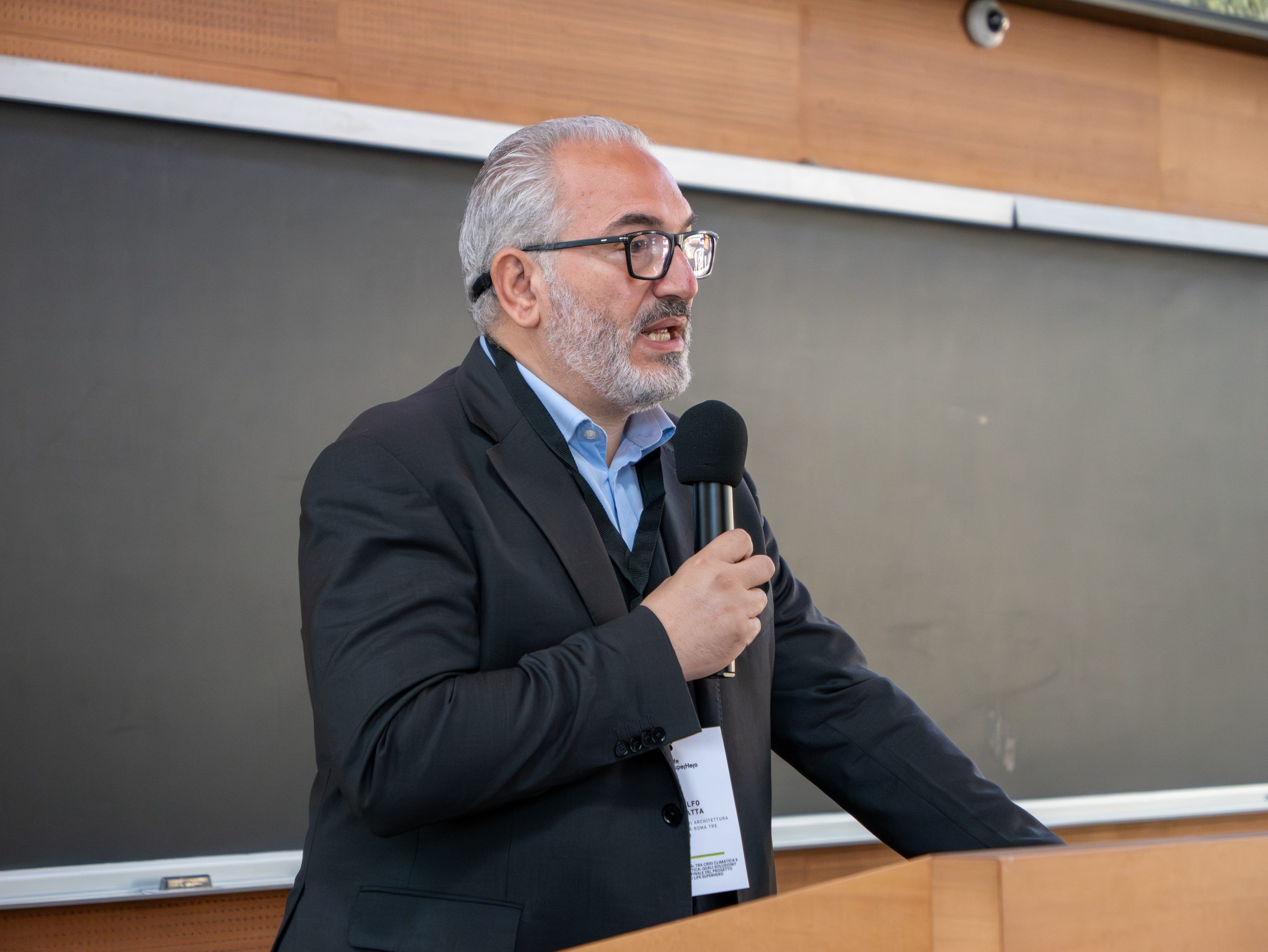
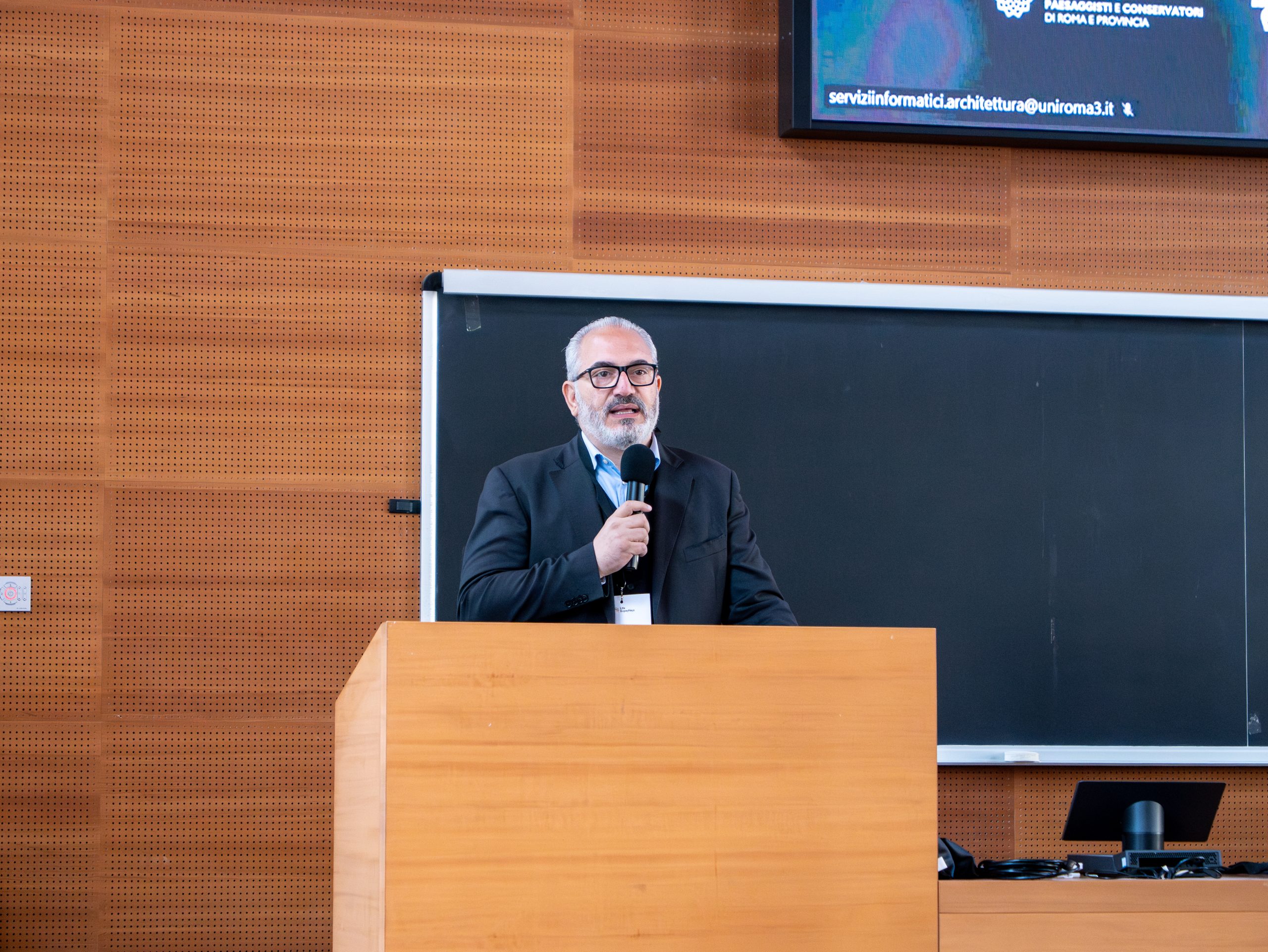
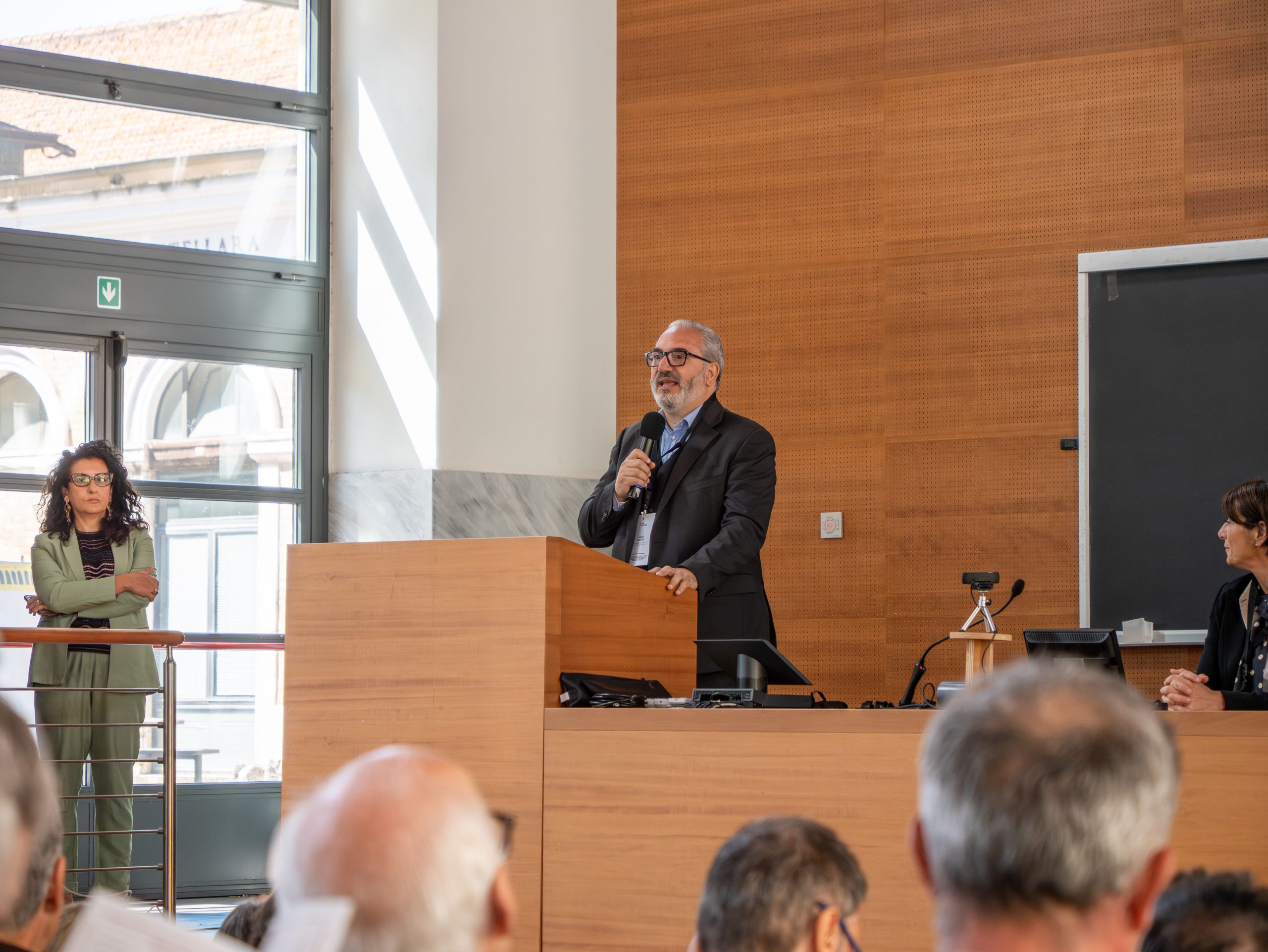
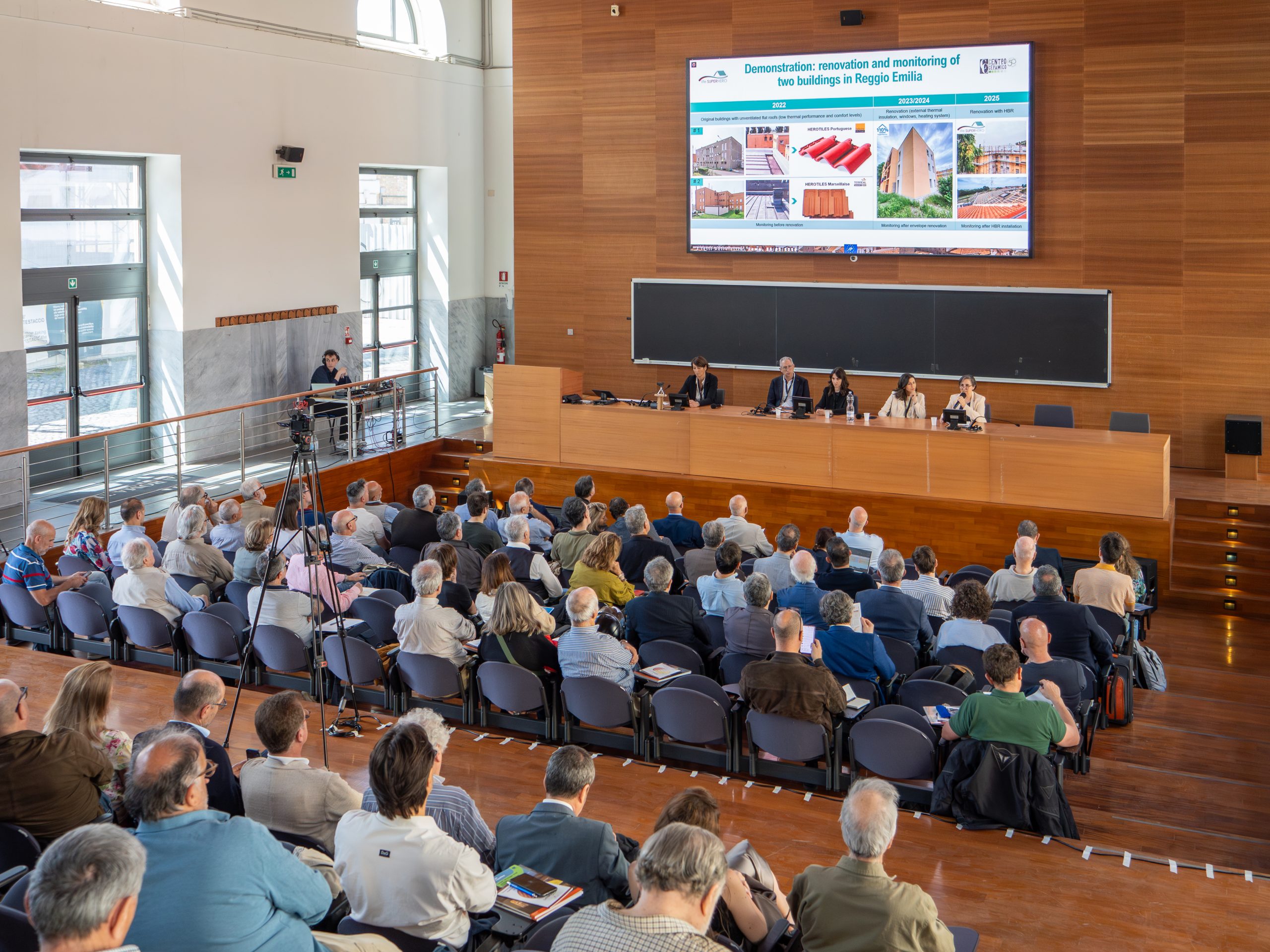
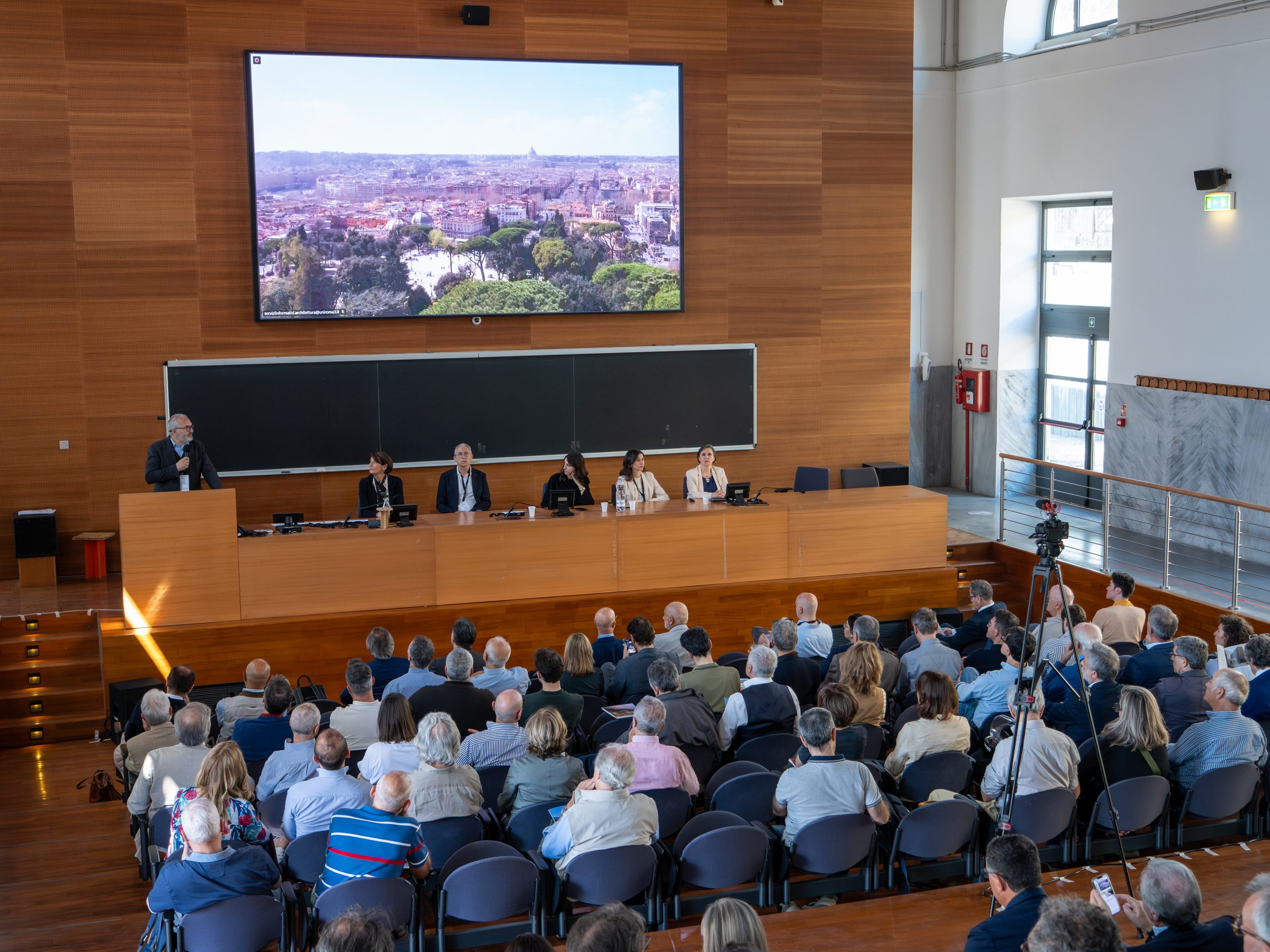
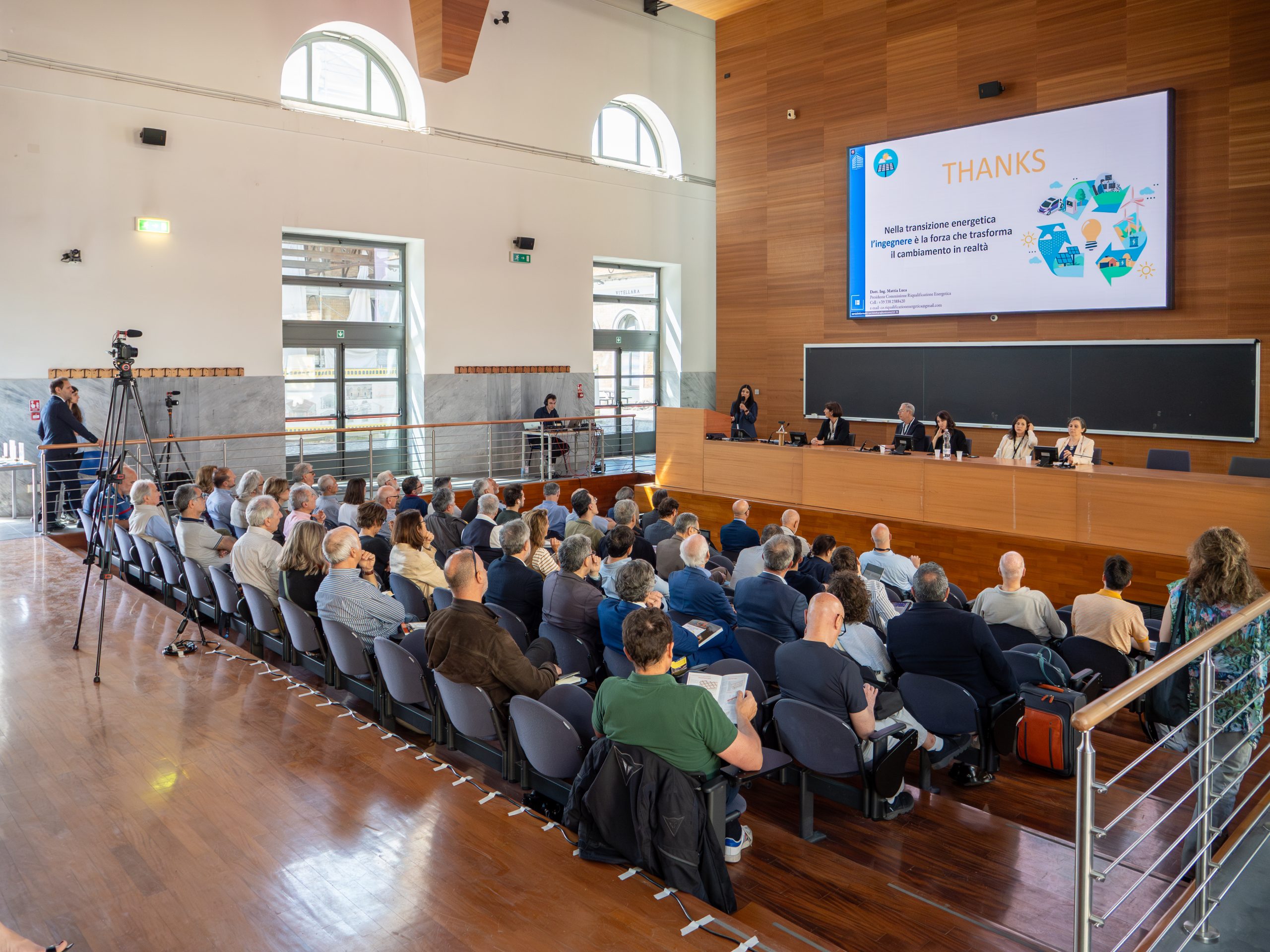
Set in the Aula Magna Adalberto Libera at the Department of Architecture of Roma Tre University, in the former Slaughterhouse area of Testaccio, the event marked the conclusion of a research journey funded by the European Union’s LIFE Programme and dedicated to developing innovative solutions for high energy-performance roofing systems.
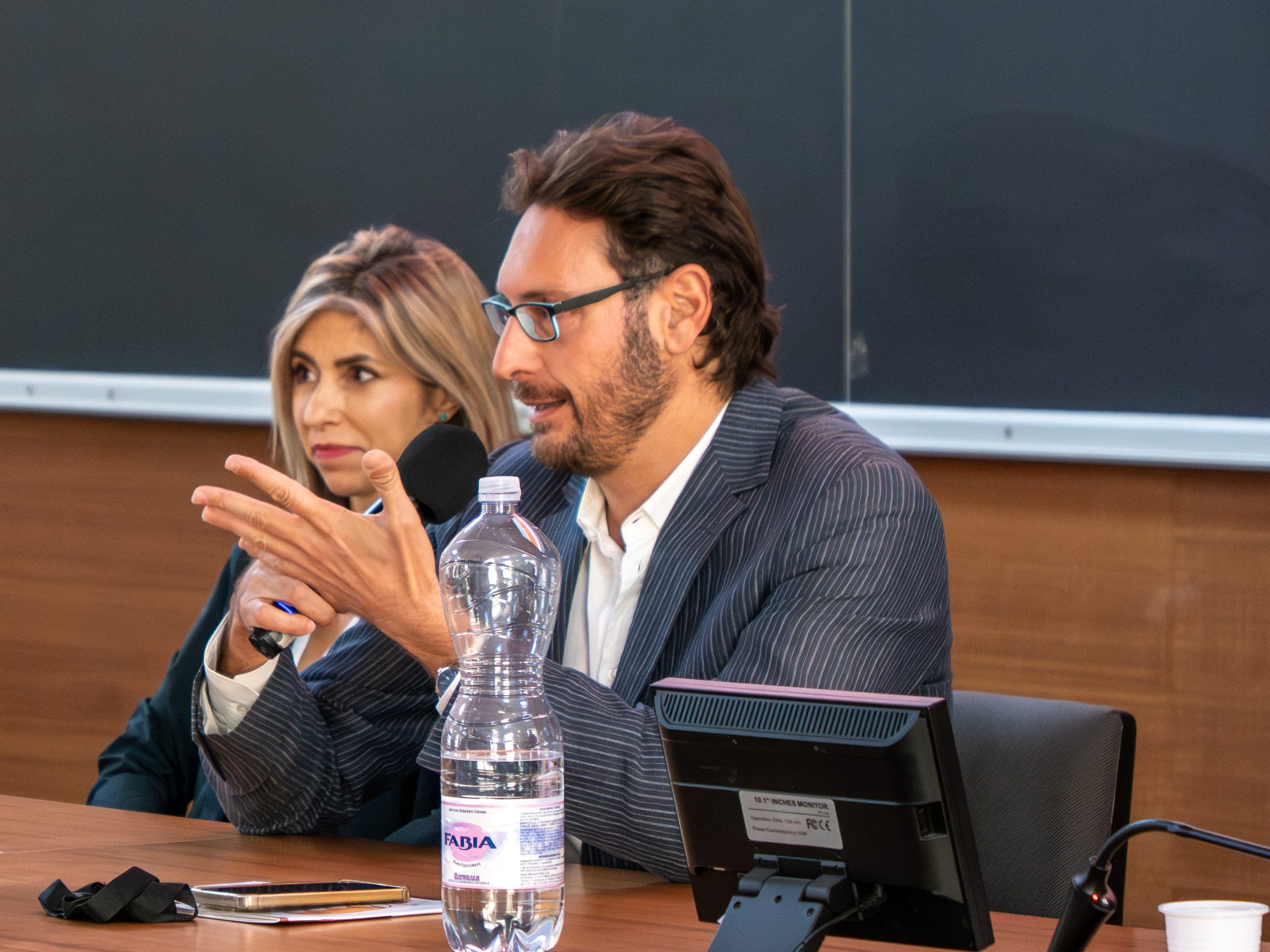
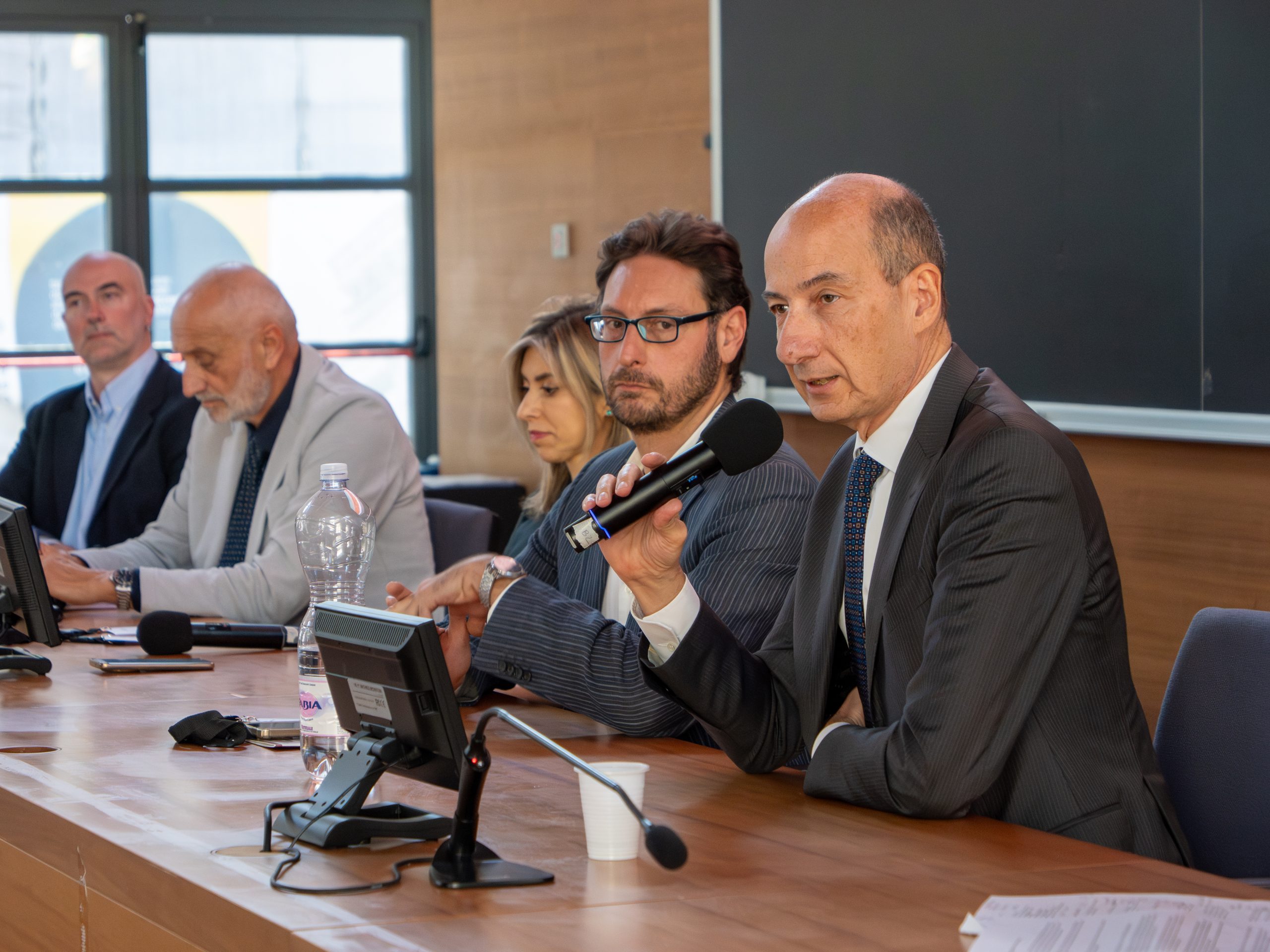
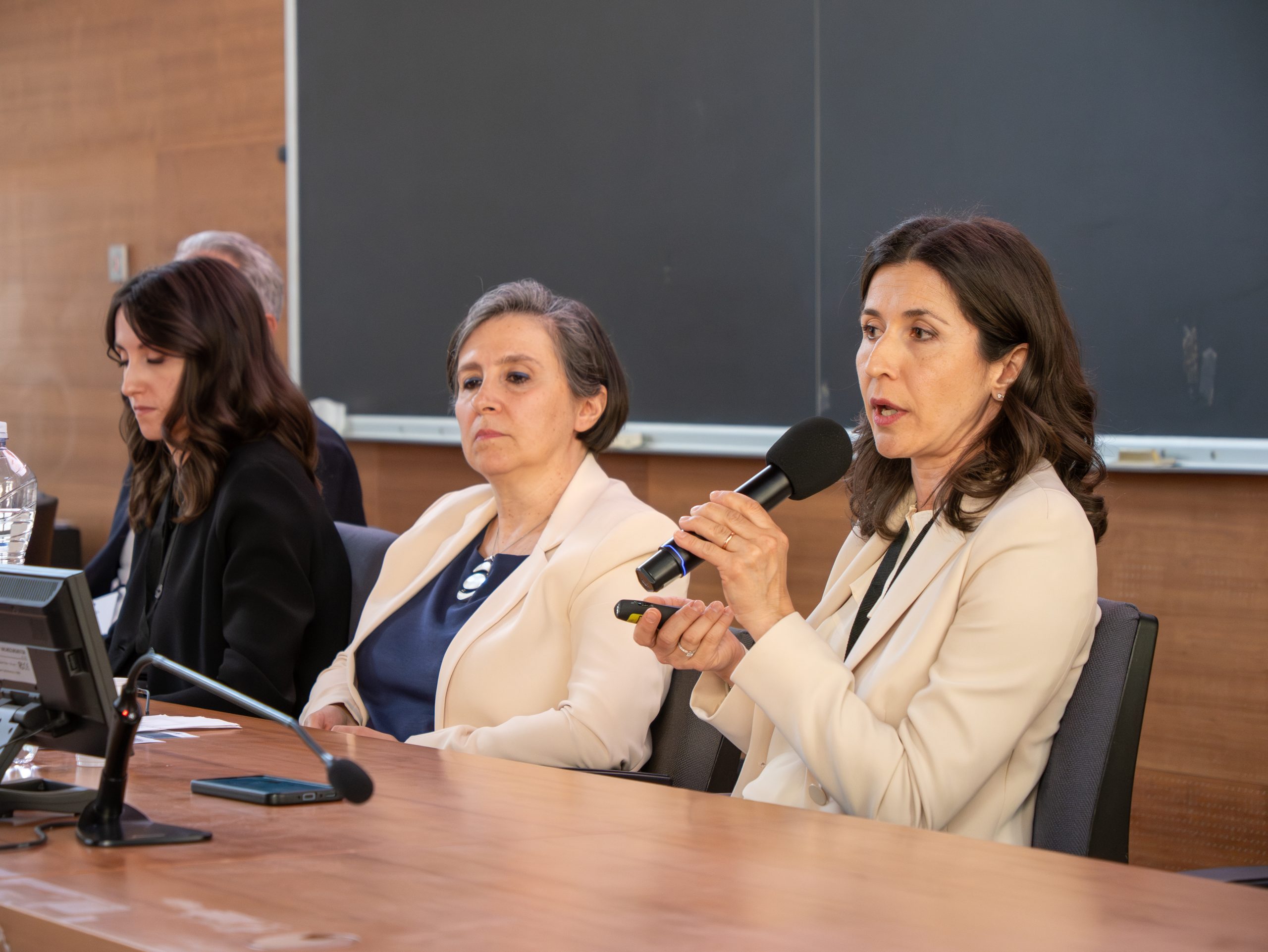
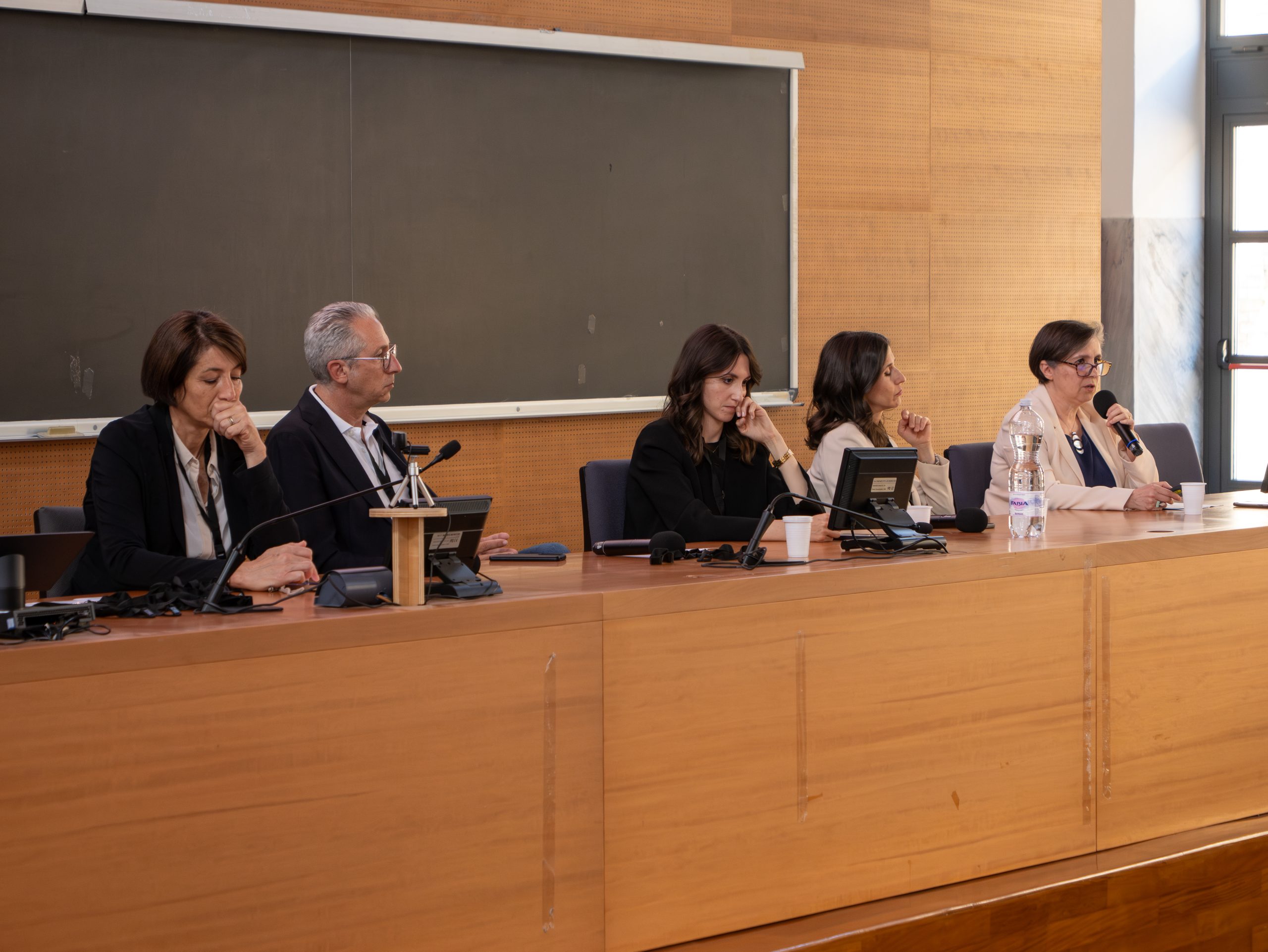
Organised by Confindustria Ceramica, responsible for the project’s dissemination activities, the conference offered an opportunity to bring together research, professional practice, industry and institutions. It provided a concrete vision of how roofs can help address some of the most pressing challenges of our time: urban overheating, rising energy consumption, and the increasing vulnerability of buildings to the effects of climate change.
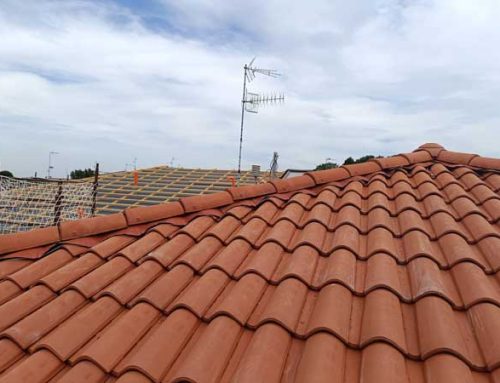
During the morning session, the results of LIFE SUPERHERO were presented, highlighting the potential of ventilated and breathable roof systems to improve the energy performance of buildings. The systems analysed demonstrated their ability to contribute to urban microclimate mitigation, enhance indoor comfort, and strengthen buildings’ resilience during summer heatwaves. These benefits are accompanied by significant performance in terms of durability, leading to reduced maintenance needs and a lower overall environmental impact throughout the entire building life cycle.
Among the most significant outcomes of the project, particular attention was given to the Pilot Credit GBC CP108 – Passive Roof Cooling, developed by the LIFE SUPERHERO partners in collaboration with GBC Italia and published in December 2025. This new tool introduces evaluation criteria to reward design solutions capable of limiting summer overheating through passive strategies, promoting improved indoor comfort and reduced energy consumption.
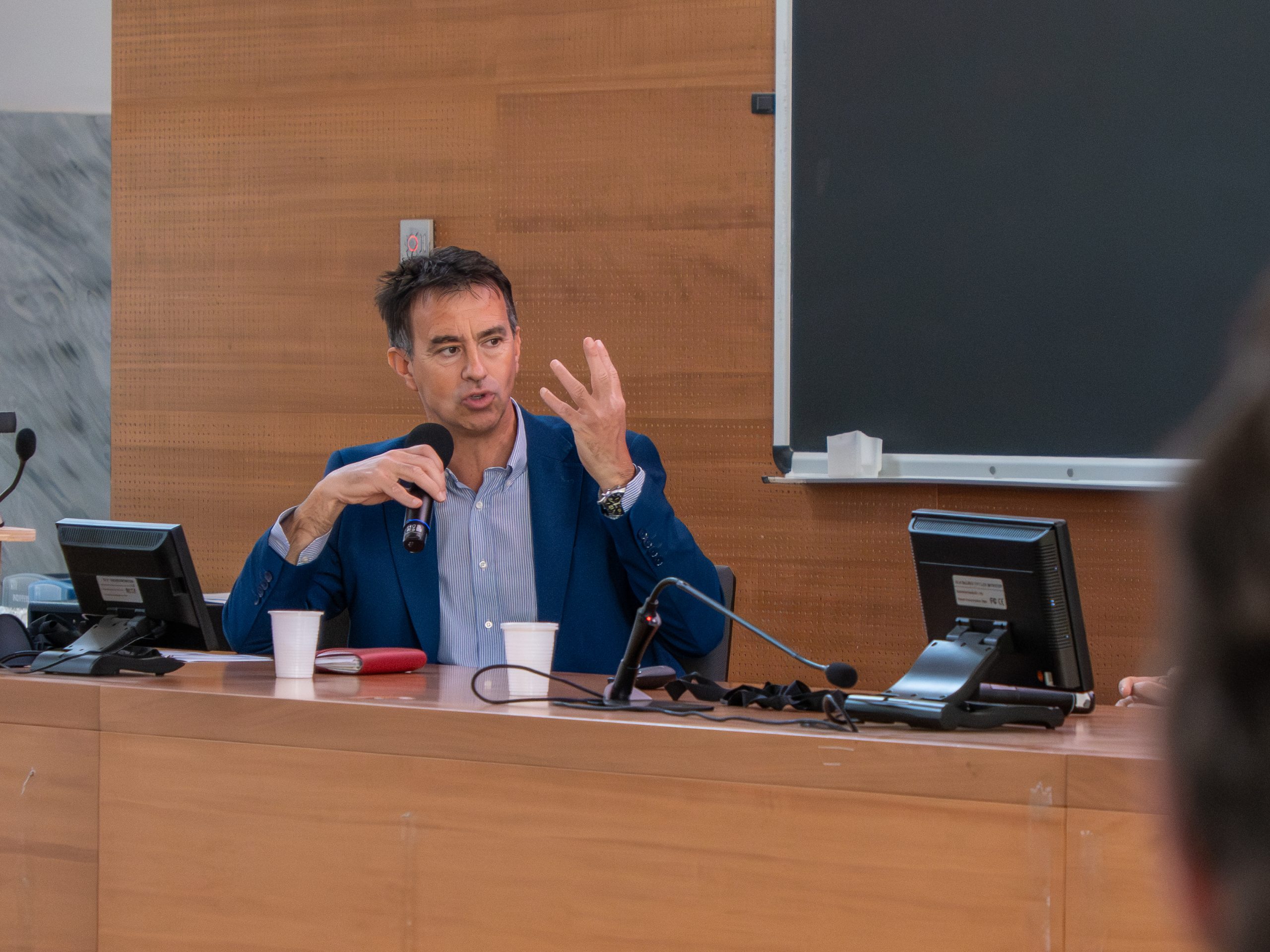
The opening session retraced the project’s main milestones, highlighting its strongly applied research approach and its immediate transferability to the construction sector. This was followed by an in-depth presentation from the scientific team of the Polytechnic University of Marche, which explored the various research strands developed throughout the project: from the energy performance of roofs to the role of ventilation and air permeability, up to sustainability assessments conducted across the full life cycle of the analysed systems.
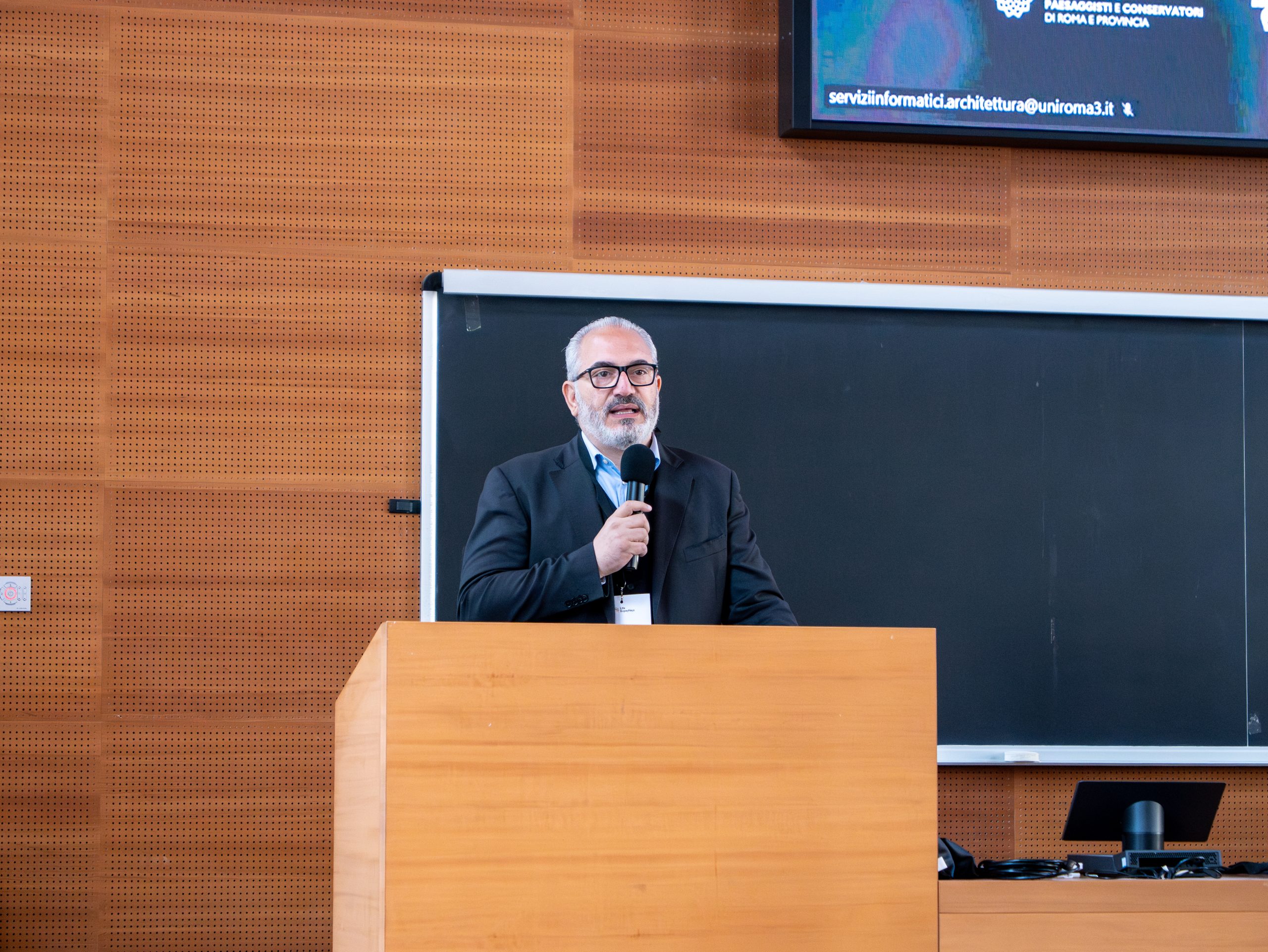
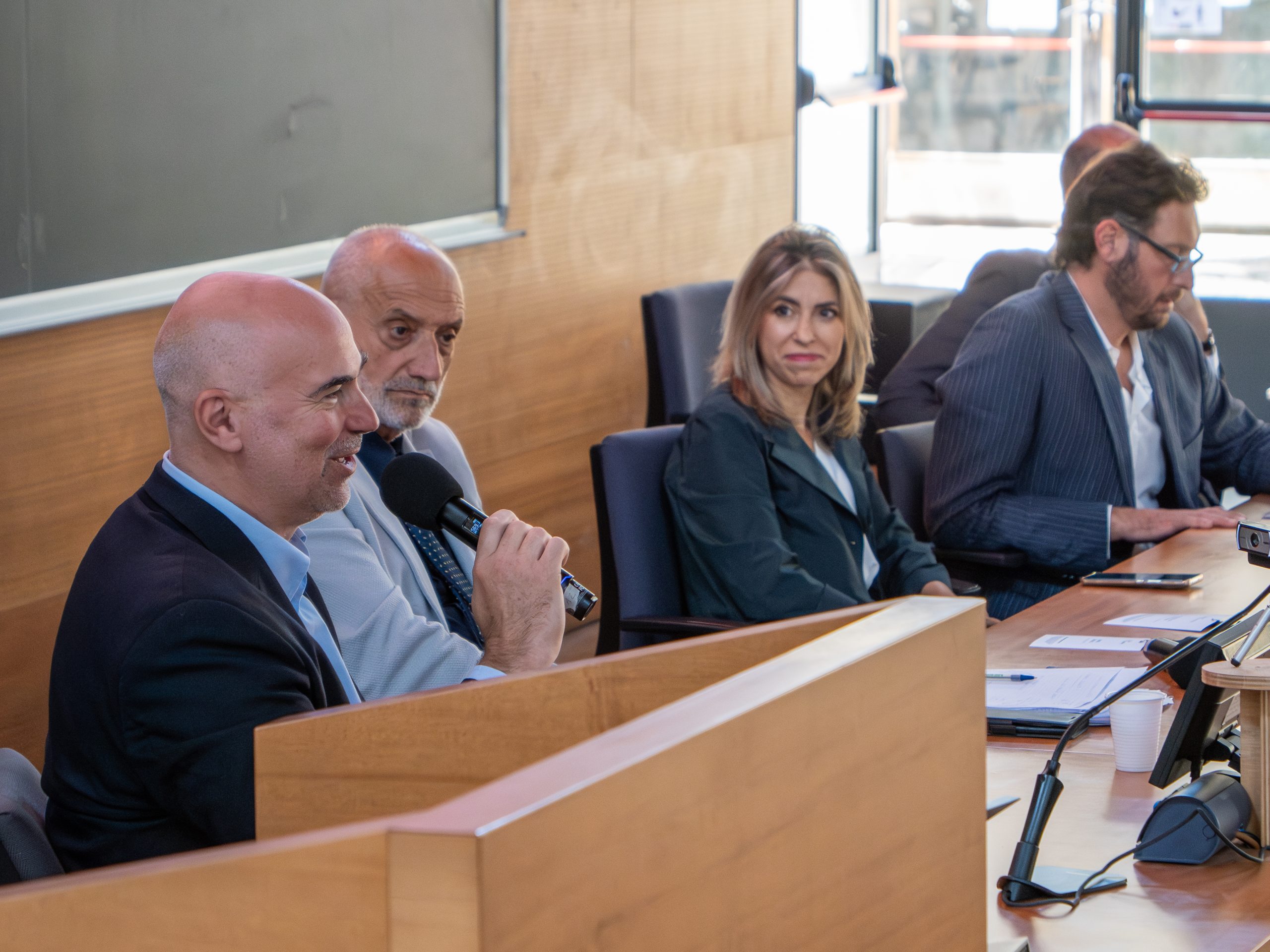
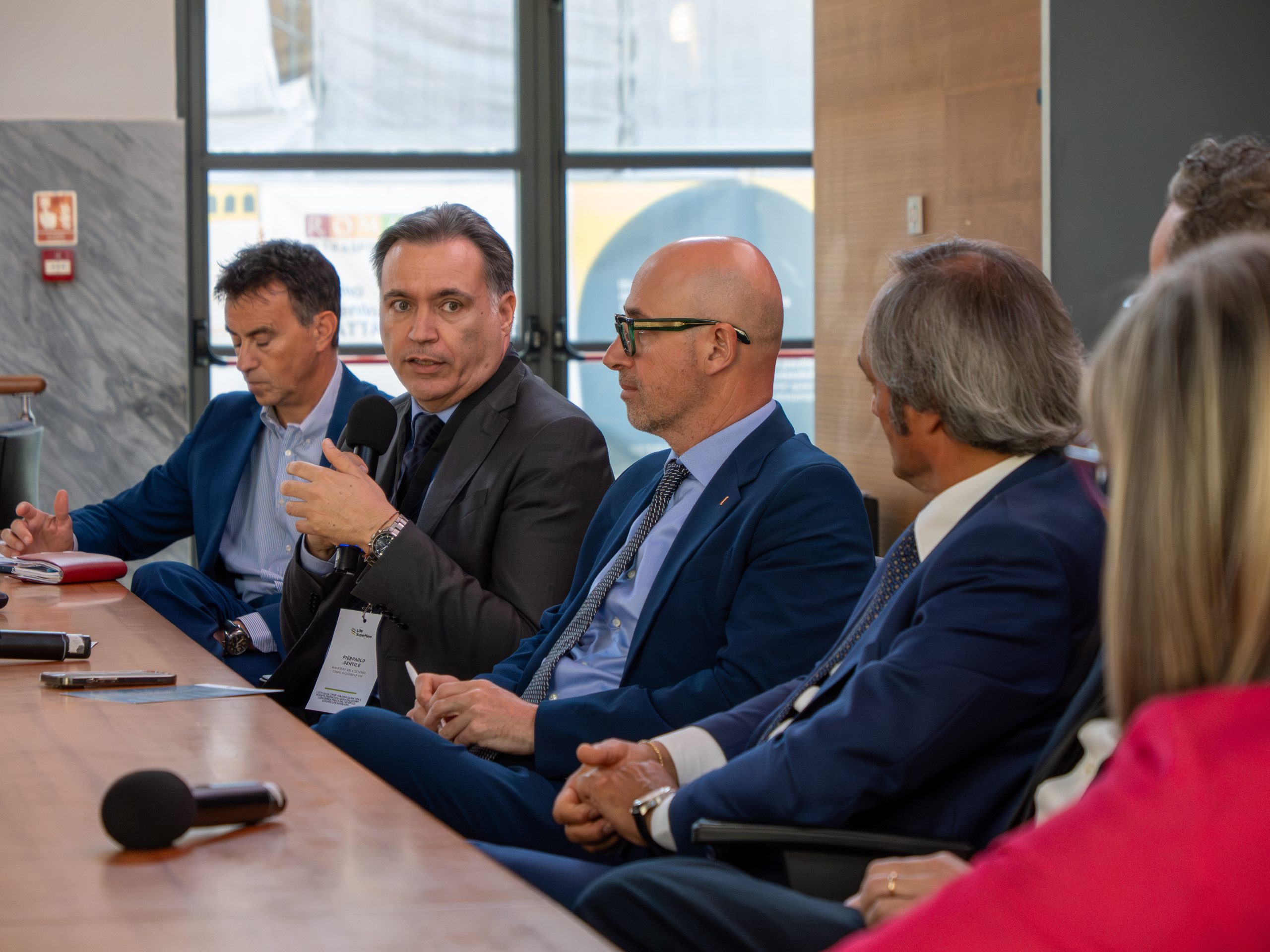
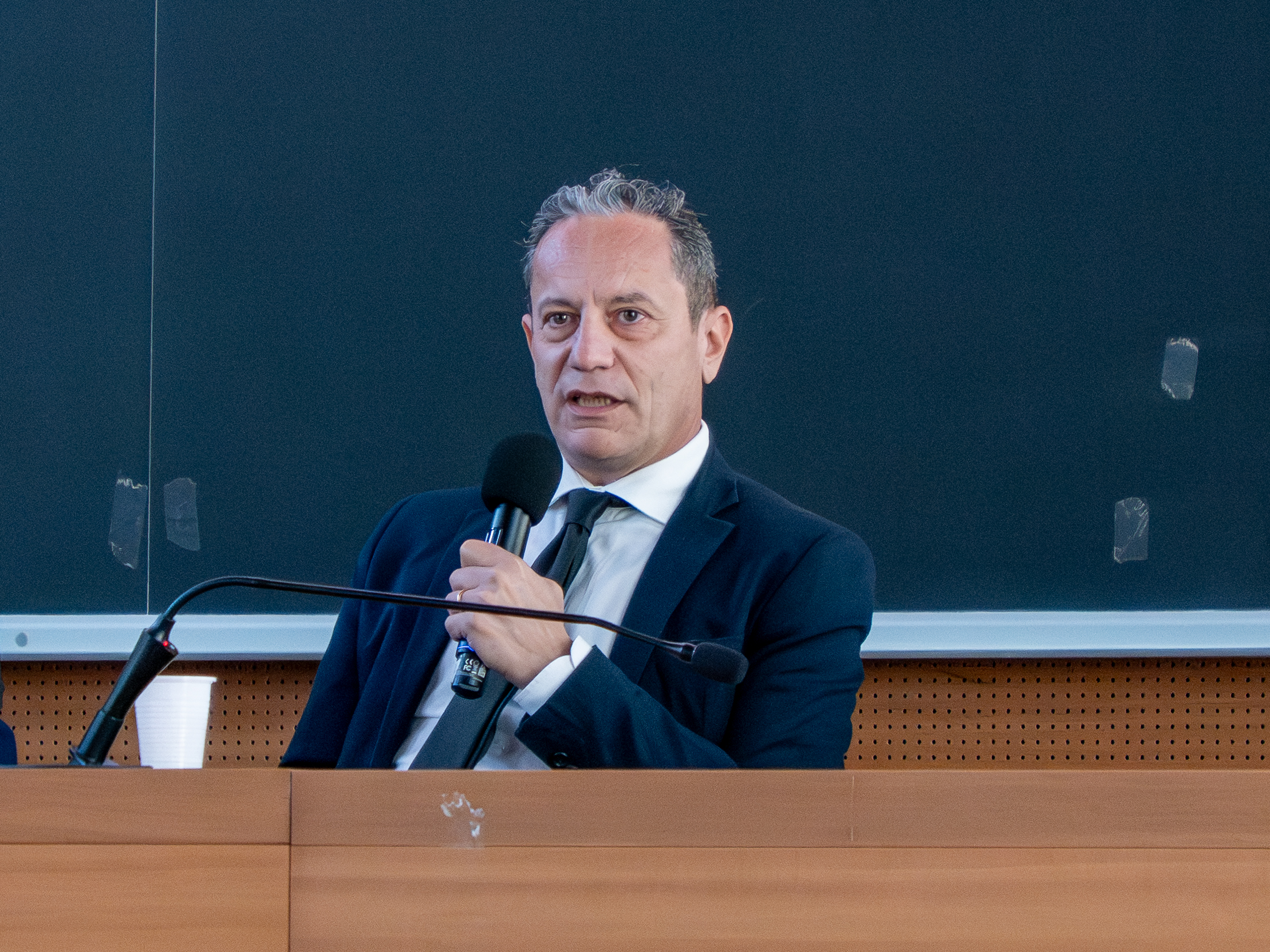
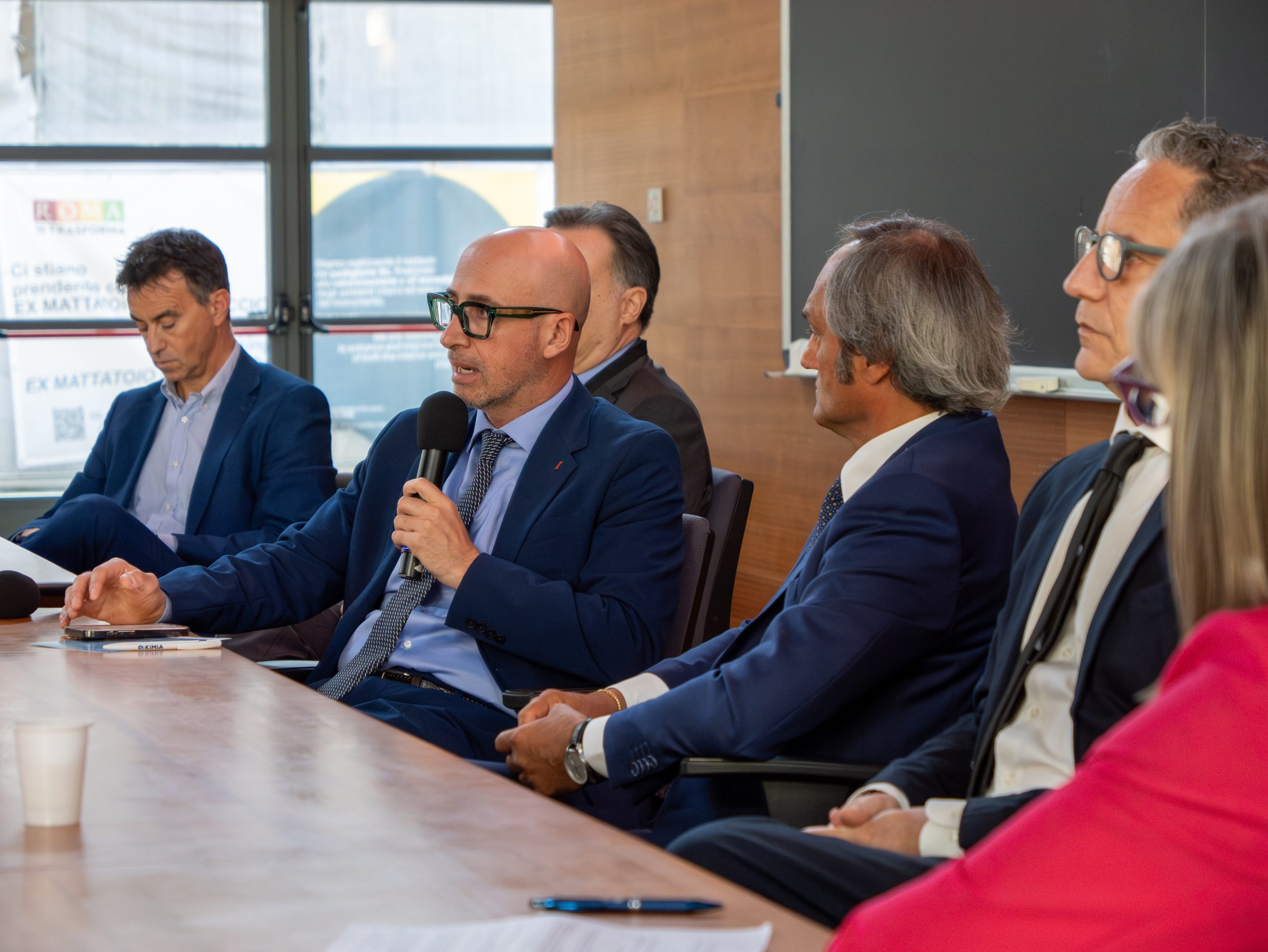
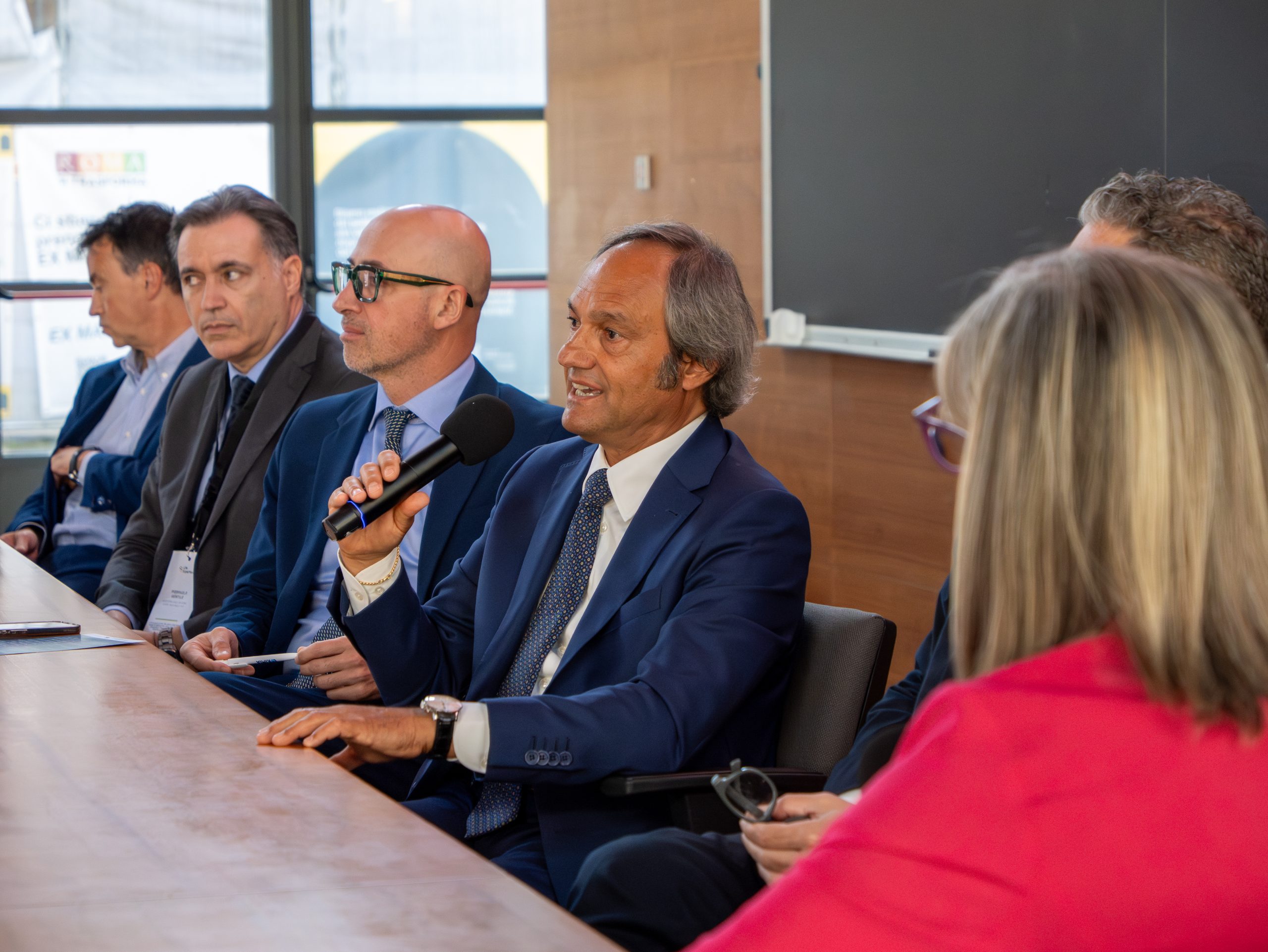
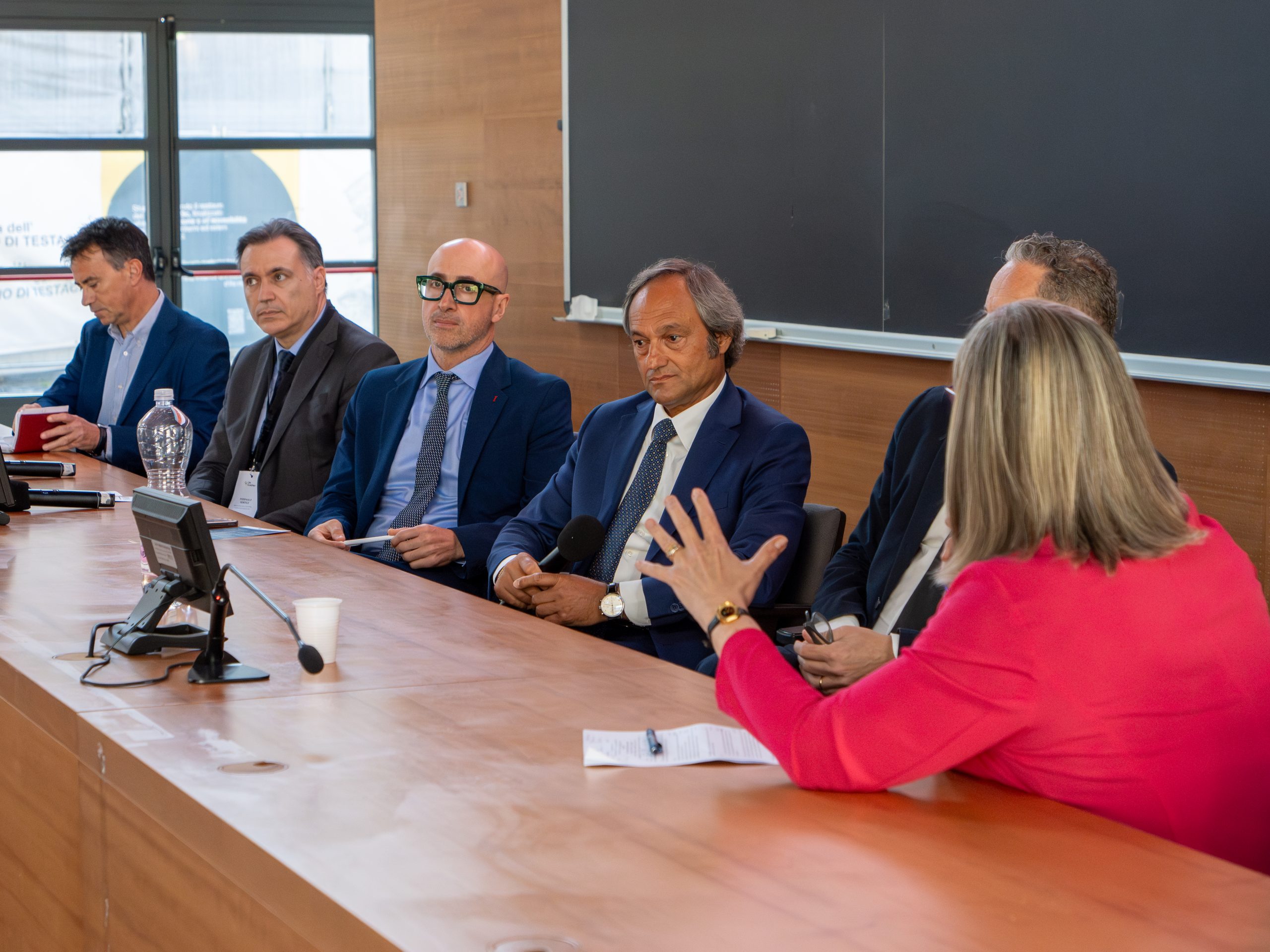
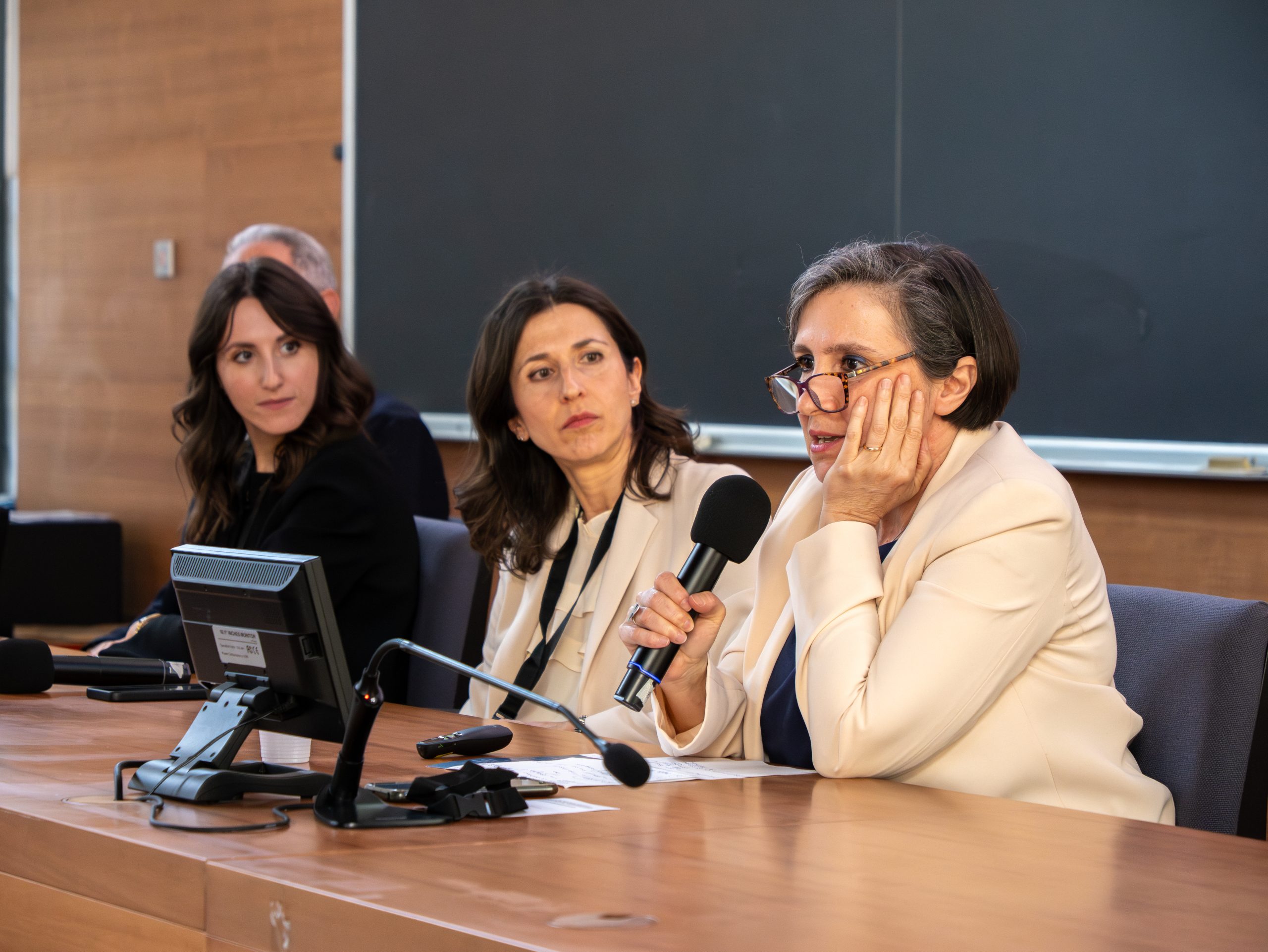
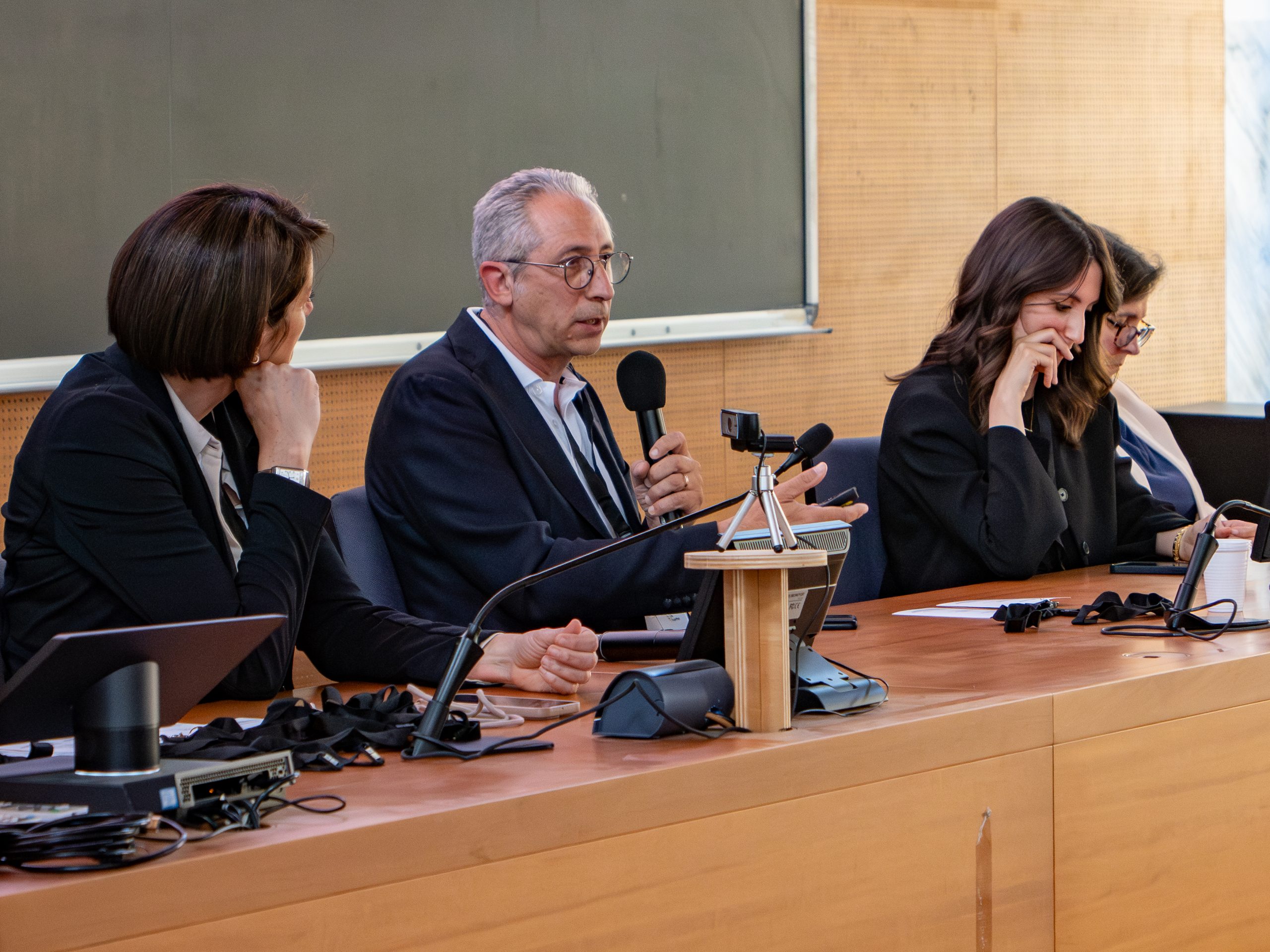
The second part of the conference opened the discussion among key stakeholders in the value chain through two round tables dedicated to the so-called “fifth façade”, increasingly central in strategies for design, renovation, and management of the built environment.
The debate involved representatives from public institutions, technical professions, trade associations, and the construction sector. Stakeholders included the National Council of Engineers (CNI), the National Council of Architects, Planners, Landscape Architects and Conservators (CNAPPC), the Ministry of Environment and Energy Security (MASE), the National Fire Brigade Corps, Roma Capitale, Confedilizia Roma, Housing Europe, FORMEDIL Italia, and GBC Italia.
A shared vision emerged from the discussion: roofs are no longer just a technical component of buildings, but a design lever capable of generating environmental, energy, and social benefits. Technological innovation, architectural quality, and public policies were identified as essential elements of a common strategy to make cities more resilient and sustainable.
The day concluded with a session dedicated to project partners, who reviewed the technical and scientific contributions developed during the initiative, emphasising the value of international collaboration that made the achieved results possible.
The project involved: Polytechnic University of Marche, ACER, HISPALYT, TERREAL, Centro Ceramico, Confindustria Ceramica, Wienerberger Italia, CTMNC, EDILIANS, and Industrie Cotto Possagno S.p.A., forming a European network of expertise that has enabled the transformation of research into concrete tools and solutions for the construction sector.
Held under the patronage of ANCE Roma, the National Council of Engineers, the Order of Architects of Rome, the College of Surveyors of Rome, the Order of Industrial Experts of Rome, Green Building Council Italia, and SAIE, and with the organisational support of USUP Srl, the event was not only the conclusion of a European project, but also an opportunity to reflect on the role roofs can play in shaping the cities of the future. Because it is precisely from the surfaces most exposed to the sun that a new vision of urban sustainability can take shape.
Leave A Comment